Korean history in steps
Step 8 of 11

Japanese rule

1910 – 1945
Samil undong, the March First Movement of 1919

From 1910 Japan ruled Korea as a colony through a governor-general in Seoul. Koreans resisted, most famously in the peaceful March First Movement of 1919, and a provisional government formed in exile. Japan built railways and factories to serve its empire and, from the late 1930s, tried to suppress Korean identity and mobilised Koreans for its war.

About 6 minutes

Who you’ll meet

2 key names in this era. Everyone else plays a smaller part: tap their name in the text whenever you need a reminder.

Also appearing (5)
Practise this era’s names

Where it happened

Tap a marker, a shaded region or a name below the map to see what happened there. Places in the text with a red pin open their own map card.

Seat of power

Seoul

Seat of the Japanese Government-General, called Keijō in Japanese.

Coastlines from Natural Earth. Kingdoms and regions are shown by name only, without borders.

Open the atlas to compare this map with other eras, or browse all places.

What happened

After annexation, Japan ruled through a Government-General in Seoul, headed by army or navy officers. The first decade was a time of military policing: Koreans lost the freedom to publish and to gather, and a land survey completed in 1918 recorded ownership in ways that, many historians argue, left many farmers as tenants. The Japanese Oriental Development Company became the country’s largest landowner.
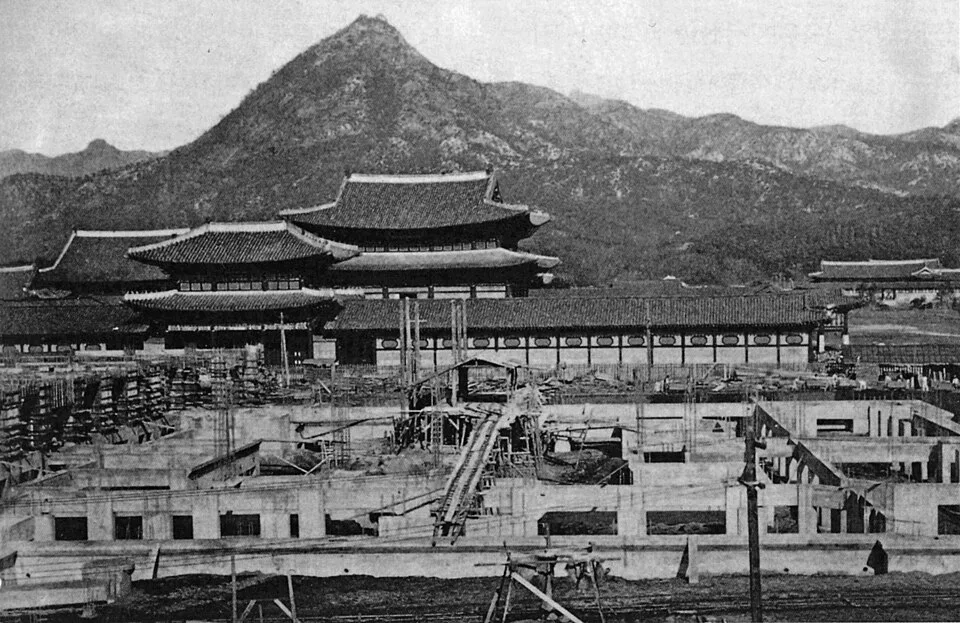
The Government-General Building under construction in front of Gyeongbokgung, around 1920.
The Government-General Building under construction in front of Gyeongbokgung, around 1920. Public domain, via Wikimedia Commons
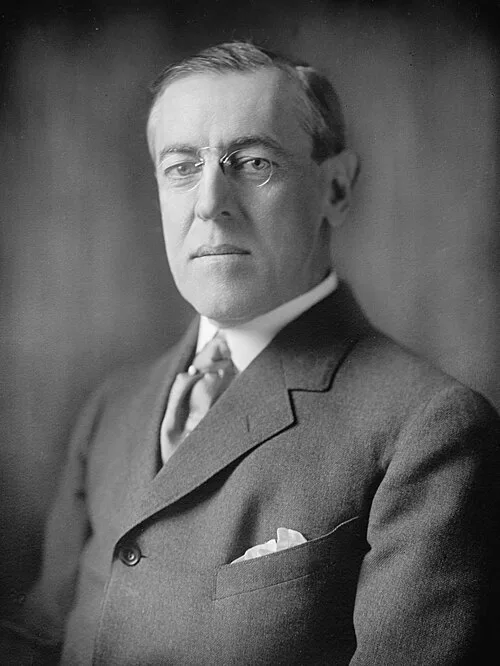
Woodrow Wilson
Wilson Public domain, Wikimedia Commons

On 1 March 1919, encouraged by Woodrow Wilson’s call for self-determination and stirred by the death of Gojong (king and first emperor of Korea), thirty-three religious leaders signed a Declaration of Independence, and peaceful demonstrations spread across the country. Japanese forces crushed them; Korean sources record about 7,500 dead, though figures vary. The schoolgirl Yu Gwan-sun (schoolgirl of the independence movement), who led protests in her home town, died in Seodaemun Prison in 1920. In April 1919 exiled leaders set up a Provisional Government in Shanghai.
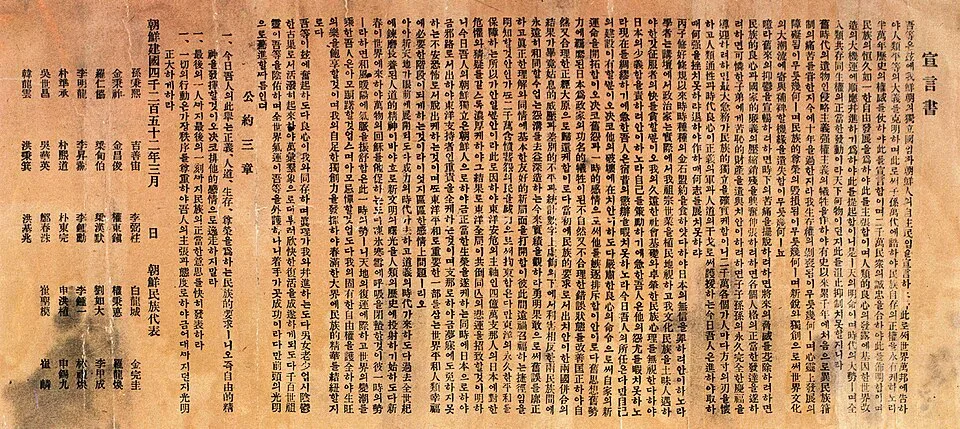
The Korean Declaration of Independence of 1 March 1919.
The Korean Declaration of Independence of 1 March 1919. Public domain, via Wikimedia Commons
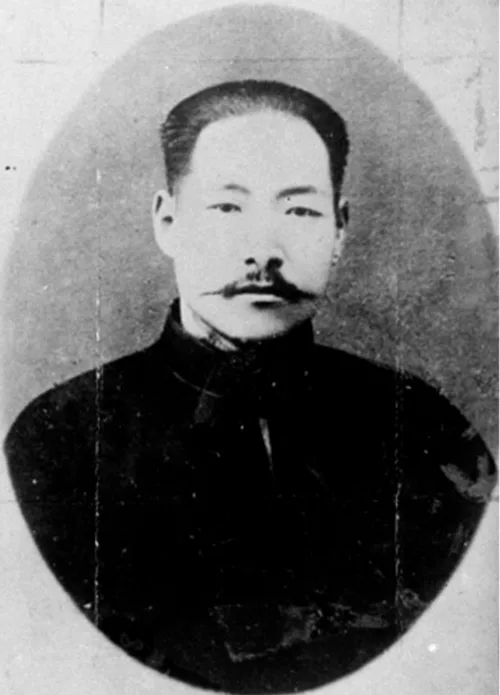
Kim Jwa-jin
Kim Jwa-jin Public domain, Wikimedia Commons

Japan then turned to a softer “cultural rule”. Korean newspapers such as the Dong-a Ilbo and the Chosun Ilbo were allowed from 1920, while Japan built railways, ports and, later, factories, many of them in the north, to serve its empire. Independence fighters kept up the struggle from Manchuria, China and the United States; in 1920 Korean fighters under Kim Jwa-jin (general of Qingshanli) defeated Japanese troops at Qingshanli in Manchuria.

From the late 1930s, as Japan went to war with China and then the Allies, it tried to turn Koreans into loyal imperial subjects. Korean was squeezed out of the schools, people were pressed to worship at Shinto shrines, and from 1940 families were made to register Japanese-style names. Hundreds of thousands of Koreans were mobilised as labourers, many sent to Japan, and from 1944 men were conscripted as soldiers. Many women were forced into sexual slavery for the Japanese military as so-called “comfort women”; their numbers are disputed and estimates vary widely.

Words worth knowing

Government-General

Japan’s colonial government in Seoul, headed by a governor-general who answered to the emperor.

March First Movement

The nationwide independence demonstrations that began on 1 March 1919. The day is a national holiday in South Korea.

Provisional Government

The Provisional Government of the Republic of Korea, founded in exile in Shanghai in April 1919.

Comfort women

The euphemism for women and girls, many of them Korean, forced into sexual slavery for the Japanese military.

Did you know?

Is 1 March a holiday in Korea?

Yes. Samiljeol, Independence Movement Day, is a national holiday in South Korea, marking the start of the 1919 demonstrations.

Who was Yu Gwan-sun?

A schoolgirl who joined the March First demonstrations in Seoul and then organised a protest in her home town near Cheonan. Arrested and tortured, she died in Seodaemun Prison in 1920 at the age of seventeen.

What happened to Sohn Kee-chung’s Olympic photo?

He won the 1936 Berlin marathon running for Japan. The Dong-a Ilbo printed his photograph with the Japanese flag removed from his shirt, and the authorities suspended the newspaper.

Myth or fact?

“Koreans under Japanese rule were made to take Japanese-style names.”

Match the names

Tap a name, then the role that goes with it.

Check yourself

Question 1 of 3

In which year did the March First Movement begin?

Question 2 of 3

Where was the Provisional Government of Korea set up in 1919?

Question 3 of 3

Who won the marathon at the 1936 Berlin Olympics?

Collect the seal

Answer all three questions above to stamp the Japanese rule seal. 0 of 3 answered.

Back to the seal book