Spanish history in steps
Step 9 of 11

Liberals, Carlists and the end of the empire

1814–1923
Cuba, the richest colony, lost in 1898

Ferdinand VII (king who abolished the constitution) returned in 1814 and abolished the constitution, while most of Spain’s American empire won independence. For the rest of the century liberals and conservatives, generals and Carlist rebels fought over the state, and a short-lived First Republic came and went. The Restoration monarchy brought stability, but defeat by the United States in 1898 ended the empire, and social conflict grew.

About 6 minutes

Who you’ll meet

One key name in this era. Everyone else plays a smaller part: tap their name in the text whenever you need a reminder.

Also appearing (7)
Practise this era’s names

Where it happened

Tap a marker, a shaded region or a name below the map to see what happened there. Places in the text with a red pin open their own map card.

Seat of power

Madrid

Capital of a state shaken by coups and revolutions.

Coastlines from Natural Earth. Kingdoms and regions are shown by name only, without borders; shaded areas follow today’s borders as a guide.

Open the atlas to compare this map with other eras, or browse all places.

What happened

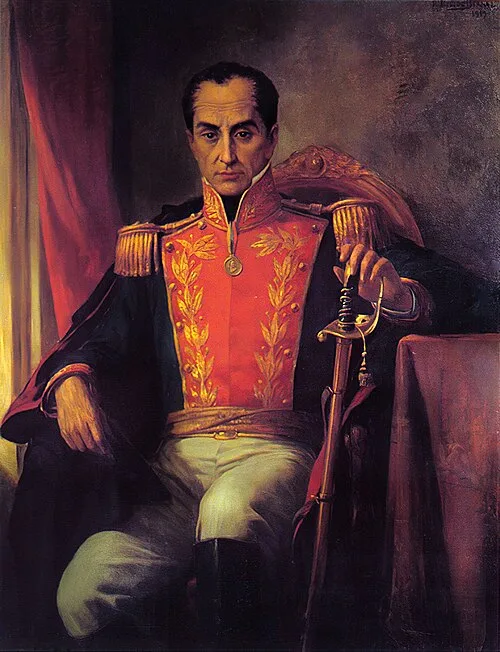
Simón Bolívar
Bolívar Public domain, Wikimedia Commons

Ferdinand VII (king who abolished the constitution) came back in 1814, abolished the Constitution of 1812 and persecuted liberals. Meanwhile Spain’s colonies on the American mainland fought for independence under leaders such as Simón Bolívar (liberator of northern South America) and José de San Martín (liberator of the south); by 1826 only Cuba and Puerto Rico in the Americas, and the Philippines in Asia, were left.
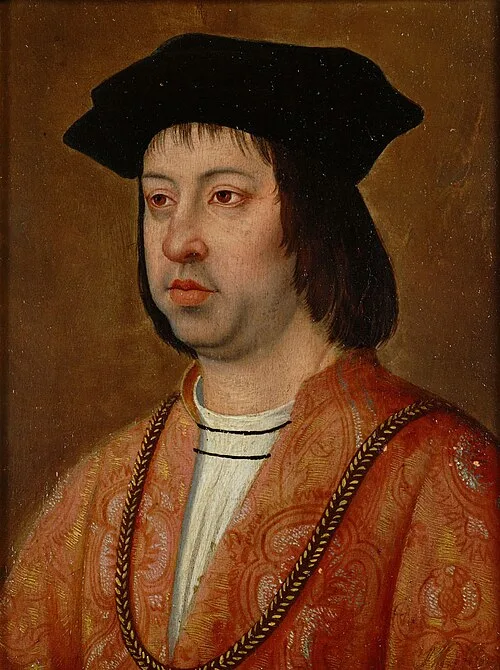
Ferdinand II of Aragon
Ferdinand Public domain, Wikimedia Commons

Ferdinand (king of Aragon) changed the law so that his daughter, the future Isabella II (queen of Spain), could inherit. When he died in 1833, his brother, Don Carlos (pretender to the throne), claimed the throne, and his supporters, the Carlists, strongest in the Basque Country, Navarre and Catalonia, fought three wars for him and his heirs. Liberal governments sold off Church lands, and generals repeatedly seized power in coups called pronunciamientos.
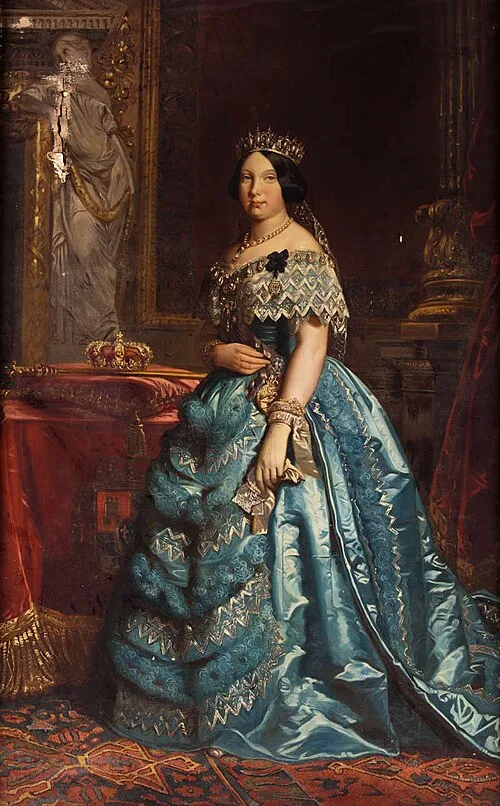
Isabella II
Isabella II Public domain, Wikimedia Commons

A revolution in 1868 drove Isabella II (queen of Spain) into exile. An Italian prince, Amadeo of Savoy (Italian king of Spain), was king from 1871 to 1873, and then the First Republic lasted less than two years. In 1874 the monarchy was restored under Isabella II’s son Alfonso XII (king of the Restoration). Under the Restoration two parties took turns in power through rigged elections organised by local bosses, the caciques.

Cuba rose against Spain in 1868 and again in 1895. In 1898 the United States joined the war and destroyed Spanish fleets at Manila and Santiago de Cuba, and Spain lost Cuba, Puerto Rico and the Philippines. The defeat, remembered as the Disaster, set off a wave of soul-searching among writers. Industry grew in Catalonia and the Basque Country, and with it strikes, anarchism and Catalan nationalism; in 1909 a revolt in Barcelona against sending reservists to fight in Morocco ended in bloodshed, the Tragic Week.

Words worth knowing

Carlism

The movement that backed the claim of Don Carlos and his heirs to the throne, defending tradition, the Church and regional fueros.

Pronunciamiento

A military coup in which officers “pronounced” against the government.

Caciquismo

Rule by local bosses, the caciques, who controlled the votes in their districts during the Restoration.

Generation of ’98

Writers and thinkers who reflected on Spain’s decline after the defeat of 1898.

Did you know?

What set off the war with the United States?

The American battleship Maine exploded in Havana harbour in February 1898, killing more than 260 sailors. American newspapers blamed Spain; later investigations have suggested that an explosion on board was more likely, and the cause is still debated.

How long did Cuba stay Spanish?

From Columbus’s arrival in 1492 until 1898, more than four centuries. Slavery there was abolished only in 1886.

What was the peseta?

Spain’s currency from 1868 until the euro replaced it in 2002.

Myth or fact?

“Spain lost its American empire in the war of 1898.”

Match the names

Tap a name, then the role that goes with it.

Check yourself

Question 1 of 3

Who were the Carlists?

Question 2 of 3

When did Spain lose Cuba, Puerto Rico and the Philippines?

Question 3 of 3

Which king was restored to the throne in 1874?

Collect the seal

Answer all three questions above to stamp the Liberals and Carlists seal. 0 of 3 answered.

Back to the seal book