Spanish history in steps
Step 1 of 11

Early Iberia

to 218 BCE
Arte, “art”: the painted caves of Altamira

Some of the oldest human fossils in western Europe come from Atapuerca, and Ice Age hunters painted the bison of Altamira. In the first millennium BCE the peninsula was home to Iberians, Celts and the rich culture of Tartessos, while Phoenicians, Greeks and then Carthaginians founded trading cities on its coasts.

About 6 minutes

Who you’ll meet

One key name in this era. Everyone else plays a smaller part: tap their name in the text whenever you need a reminder.

Also appearing (4)

Family in this step: The Barcids

Practise this era’s names

Where it happened

Tap a marker, a shaded region or a name below the map to see what happened there. Places in the text with a red pin open their own map card.

Place

Atapuerca

Caves with human fossils more than a million years old.

Coastlines from Natural Earth. Kingdoms and regions are shown by name only, without borders; shaded areas follow today’s borders as a guide.

Open the atlas to compare this map with other eras, or browse all places.

What happened

Human ancestors reached the Iberian peninsula more than a million years ago. At Atapuerca, near Burgos, archaeologists have found fossils over 800,000 years old, among the oldest in western Europe, and a pit full of the bones of early Neanderthals. Neanderthals lived in Iberia until around 40,000 years ago or a little later, by which time modern humans had arrived.

Ice Age hunters painted bison, horses and deer on the ceiling of the cave of Altamira, in Cantabria; the paintings were made over a long span, from about 36,000 to 13,000 years ago. When they were found in 1879, many experts refused to believe they were so old. Farming reached the peninsula around 5500 BCE, and in the Bronze Age the El Argar culture of the south-east built fortified hilltop towns.

In the first millennium BCE, Iberians lived along the east and south coasts and Celtic-speaking peoples in the centre, north and west; where they met, historians speak of Celtiberians. In the south-west, Tartessos grew rich on silver and copper. Phoenicians from Tyre founded Gadir, today’s Cádiz, by tradition around 1100 BCE, though archaeology points to the 9th or 8th century BCE. Greeks founded Emporion, today’s Empúries, around 575 BCE.
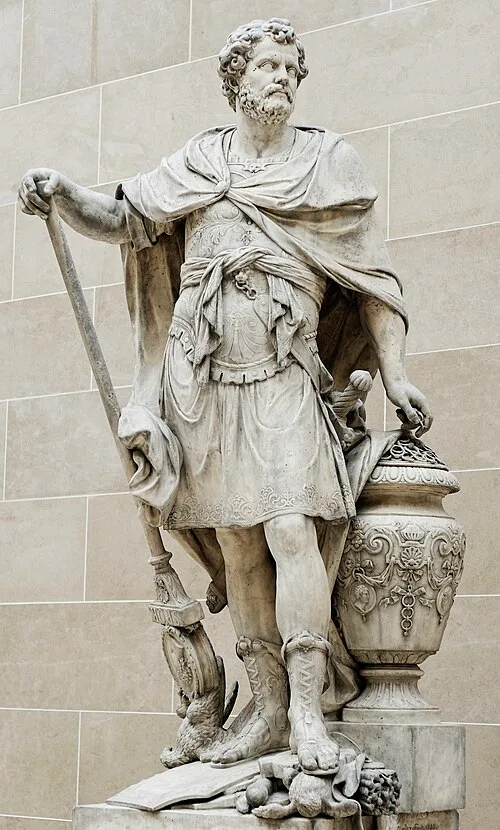
Hannibal
Hannibal Public domain, Wikimedia Commons

Carthage, itself a Phoenician city in North Africa, took over the Phoenician settlements. After losing the First Punic War to Rome, the Barcid family built a Carthaginian domain in southern Iberia, founding Carthago Nova, today’s Cartagena, around 227 BCE. In 219 BCE Hannibal (Carthaginian general) besieged Saguntum, an ally of Rome, and in 218 BCE he marched with an army and elephants towards Italy, starting the Second Punic War.

Words worth knowing

Iberians

The peoples of the east and south of the peninsula in the first millennium BCE, who gave Iberia its name. They lived in fortified towns and wrote in scripts of their own.

Celtiberians

Peoples of the central plateau whose culture mixed Celtic and Iberian ways. Their hill town of Numantia later became famous for resisting Rome.

Tartessos

A rich culture of the south-west in the early first millennium BCE, famous among the Greeks for its silver.

Punic

Of Carthage, from the Latin word for Phoenician. The Punic Wars were Rome’s three wars with Carthage.

Did you know?

How old are the oldest fossils at Atapuerca?

A jaw fragment from the Sima del Elefante site is about 1.2 million years old, and the Gran Dolina site has yielded a species named Homo antecessor, around 850,000 years old. Atapuerca is a UNESCO World Heritage Site.

Why is it called Iberia?

Greek writers named the peninsula after the river Iber, probably today’s Ebro, and its people the Iberians. The Romans called it Hispania, which became España.

Did Hannibal take elephants from Iberia?

Yes. Ancient historians put their number at about thirty-seven. Few of them survived the crossing of the Alps and the winter that followed.

Myth or fact?

“Cave art like Altamira’s was made only by modern humans.”

Match the names

Tap a name, then the role that goes with it.

Check yourself

Question 1 of 3

Which cave in Cantabria is famous for its Ice Age paintings of bison?

Question 2 of 3

Which people founded Gadir, today’s Cádiz?

Question 3 of 3

Who marched from Iberia towards Italy with elephants in 218 BCE?

Collect the seal

Answer all three questions above to stamp the Early Iberia seal. 0 of 3 answered.

Back to the seal book