Indian history in steps
Step 8 of 11

The British Raj

1858–1919
Raj, “rule”

From 1858 India was ruled by the British Crown through a viceroy, with more than 560 princely states left to their own rulers. Railways, telegraphs, universities and English education spread, while famines killed millions. Educated Indians founded the Indian National Congress in 1885 and began to demand a say in their own government.

About 6 minutes

Who you’ll meet

One key name in this era. Everyone else plays a smaller part: tap their name in the text whenever you need a reminder.

Also appearing (9)

Family in this step: The Mughals

Practise this era’s names

Where it happened

Tap a marker, a shaded region or a name below the map to see what happened there. Places in the text with a red pin open their own map card.

Place, summers

Simla

The summer capital in the hills.

Coastlines from Natural Earth. Kingdoms, regions and today’s countries are shown by name only: several modern borders in South Asia are disputed, so none are drawn.

Open the atlas to compare this map with other eras, or browse all places.

What happened

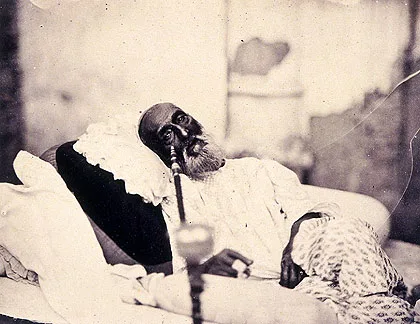
Bahadur Shah Zafar
Bahadur Shah Public domain, Wikimedia Commons

After 1858 the British Crown ruled India through a viceroy in Calcutta, while more than 560 princely states, large and small, kept their own rulers under British control. Bahadur Shah Zafar, the last Mughal emperor, was exiled to Rangoon, and in 1877 Queen Victoria (British queen, Empress of India) was proclaimed Empress of India.

The British built railways, telegraph lines, canals and ports, and opened universities in Calcutta, Bombay and Madras in 1857. Indian cotton and other raw materials were shipped to Britain, and British factory cloth flooded Indian markets. Great famines in 1876–78 and 1896–1902 killed millions while grain was still exported.
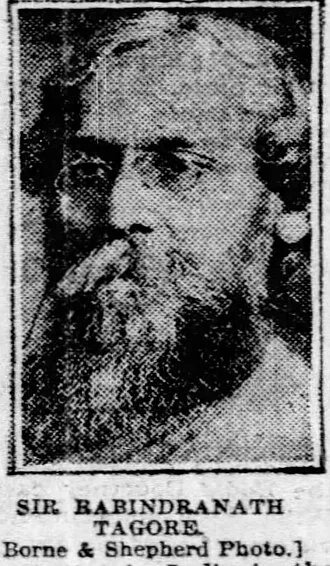
Rabindranath Tagore
Tagore Public domain, Wikimedia Commons

A new class of English-educated Indians formed. Rabindranath Tagore (Bengali poet) wrote poems, songs and novels in Bengali, and Vivekananda (Hindu monk and teacher) carried Hindu philosophy to the West, speaking at Chicago in 1893. In 1885 Indian lawyers, teachers and journalists founded the Indian National Congress, at first asking politely for a greater share in government.
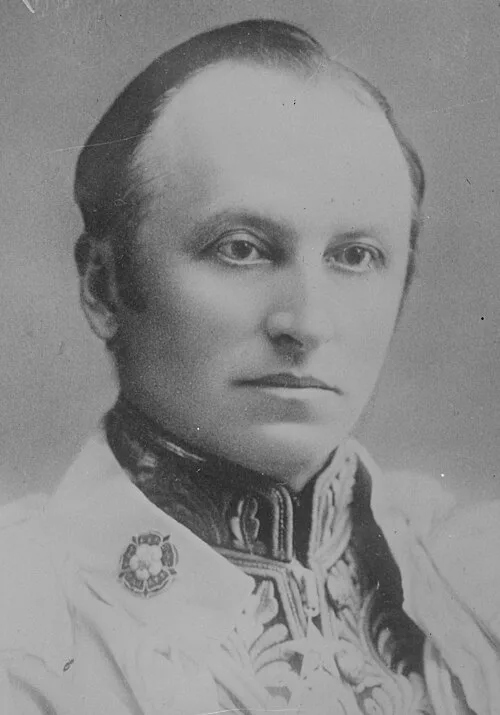
Lord Curzon
Curzon Public domain, Wikimedia Commons

In 1905 the viceroy, Lord Curzon (viceroy who divided Bengal), divided Bengal in two, which many saw as a way to split Hindus and Muslims. Protesters boycotted British goods in favour of swadeshi, home-made goods, and the Muslim League was founded in 1906. The partition was reversed in 1911, when the capital was moved to Delhi. In the First World War more than a million Indians served overseas.
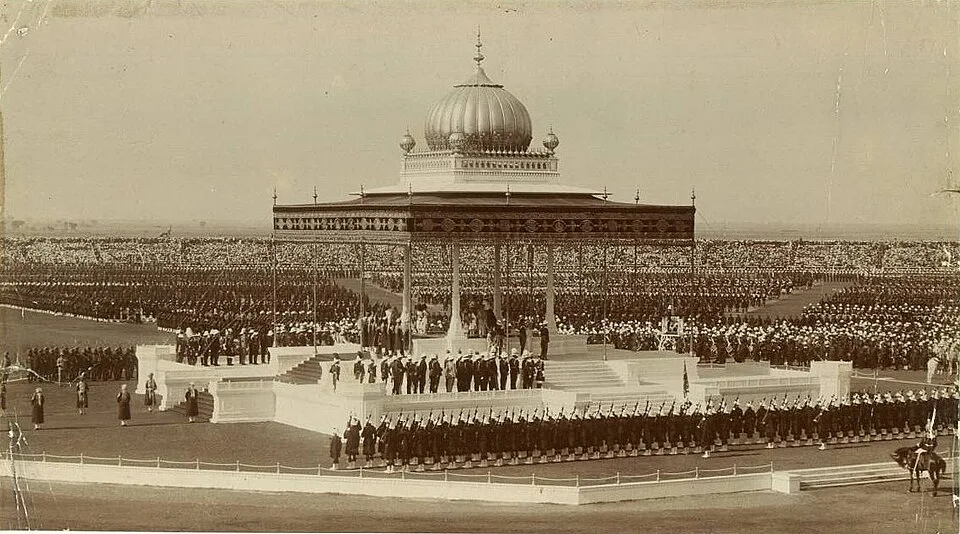
The durbar of King George V and Queen Mary at Delhi, 12 December 1911.
The durbar of King George V and Queen Mary at Delhi, 12 December 1911. Public domain, via Wikimedia Commons

Words worth knowing

Raj

“Rule”: British rule in India from 1858 to 1947.

Viceroy

The British monarch’s representative, who governed British India.

Princely state

A kingdom ruled by an Indian prince under British control, such as Hyderabad, Mysore or Kashmir.

Swadeshi

“Of one’s own country”: the movement to boycott British goods and buy Indian ones.

Did you know?

Who was the first Asian to win a Nobel Prize?

Rabindranath Tagore (Bengali poet), who won the Nobel Prize in Literature in 1913, largely for Gitanjali, a book of poems he translated into English himself.

Why did the government move to the hills each summer?

To escape the heat of the plains. From 1864 Simla, in the Himalayan foothills, was the summer capital, and officials and files travelled there for months each year.

When did India get its first passenger railway?

In 1853, between Bombay and Thane. By 1900 India had one of the largest railway networks in the world.

Myth or fact?

“Britain built India’s railways as a gift to Indians.”

Match the names

Tap a name, then the role that goes with it.

Check yourself

Question 1 of 3

When was Queen Victoria proclaimed Empress of India?

Question 2 of 3

Which party was founded in 1885?

Question 3 of 3

Which city became the capital in 1911?

Collect the seal

Answer all three questions above to stamp the The Raj seal. 0 of 3 answered.

Back to the seal book