Indian history in steps
Step 9 of 11

Gandhi and the freedom struggle

1919–1947
Azad, “free”

After the massacre at Amritsar in 1919, Mohandas Gandhi (leader of the freedom struggle) turned the Congress into a mass movement using non-violent protest, from the Salt March of 1930 to Quit India in 1942. The Muslim League under Jinnah (founder of Pakistan) came to demand a separate state, Pakistan. Weakened by the Second World War, Britain left in August 1947, dividing the country.

About 6 minutes

Who you’ll meet

3 key names in this era. Everyone else plays a smaller part: tap their name in the text whenever you need a reminder.

Also appearing (4)
Practise this era’s names

Where it happened

Tap a marker, a shaded region or a name below the map to see what happened there. Places in the text with a red pin open their own map card.

Place, 1919

Amritsar

Site of the Jallianwala Bagh massacre.

Coastlines from Natural Earth. Kingdoms, regions and today’s countries are shown by name only: several modern borders in South Asia are disputed, so none are drawn.

Open the atlas to compare this map with other eras, or browse all places.

What happened

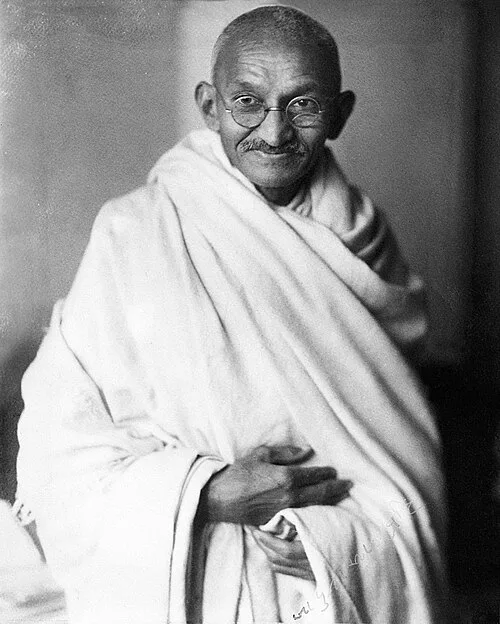
Mohandas Gandhi
Gandhi Public domain, Wikimedia Commons

In April 1919 British troops under General Reginald Dyer (general at Amritsar) fired on an unarmed crowd in the Jallianwala Bagh, a walled garden in Amritsar, killing at least 379 people by the official count and many more by Indian estimates. Mohandas Gandhi (leader of the freedom struggle), a lawyer who had led protests against racial laws in South Africa, launched a campaign of non-cooperation in 1920, asking Indians to boycott British courts, schools and cloth.
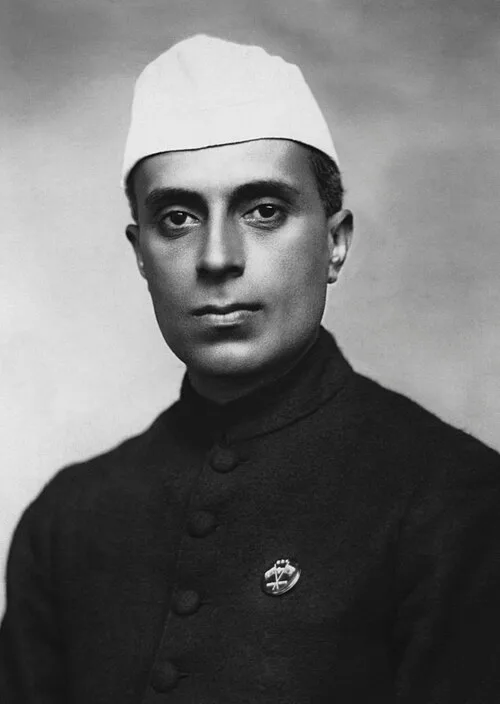
Jawaharlal Nehru
Nehru Public domain, Wikimedia Commons

Gandhi’s method, satyagraha, “holding to the truth”, meant breaking unjust laws openly and without violence and accepting the punishment. In 1930 he walked from his ashram at Sabarmati to the sea at Dandi, about 390 kilometres, to make salt in defiance of the British tax on it, and tens of thousands were jailed. Jawaharlal Nehru (first prime minister) and others pressed for complete independence.
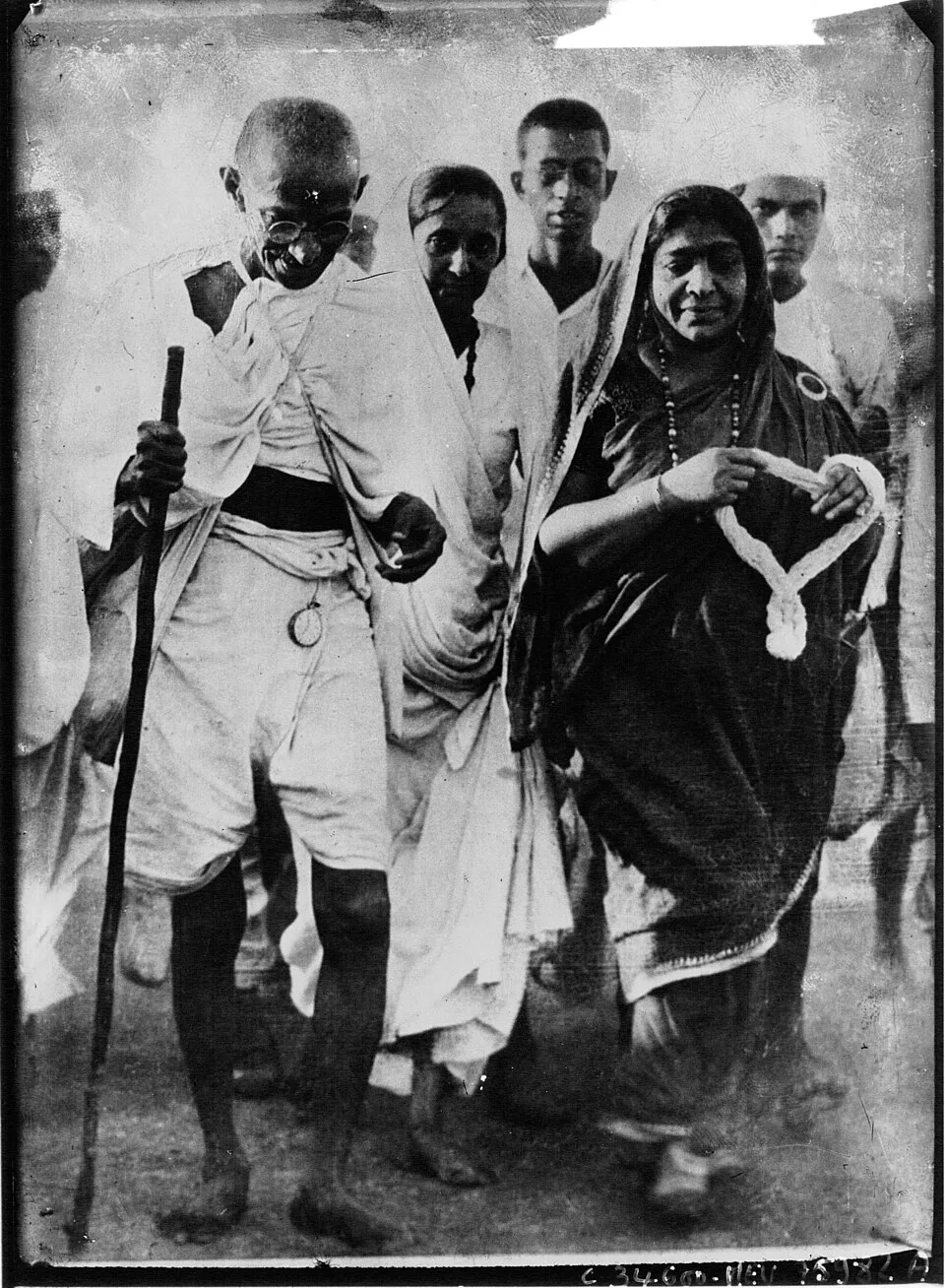
Gandhi and Sarojini Naidu during the salt campaign, April 1930. Photograph by the Meurisse agency. National Library of France.
Gandhi and Sarojini Naidu during the salt campaign, April 1930. Photograph by the Meurisse agency. National Library of France. Public domain, via Wikimedia Commons
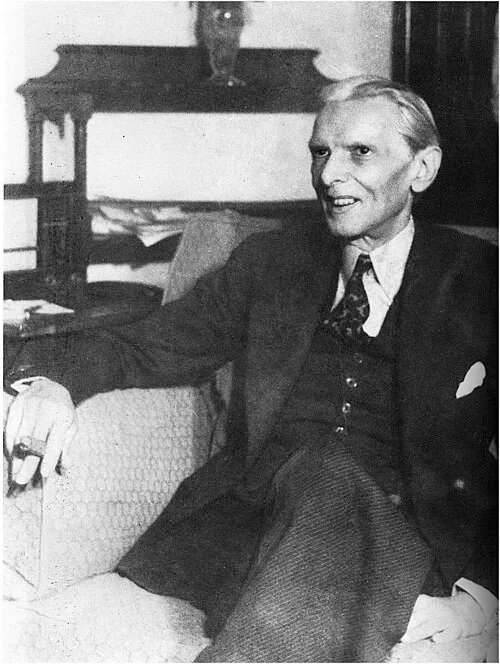
Muhammad Ali Jinnah
Jinnah Public domain, Wikimedia Commons

The Congress won most provinces in elections in 1937, but many Muslims felt left out. In 1940 the Muslim League, led by Muhammad Ali Jinnah (founder of Pakistan), called for separate states where Muslims were a majority. In 1942, during the Second World War, Gandhi (leader of the freedom struggle) launched the Quit India movement and the Congress leaders were jailed, while Subhas Chandra Bose (leader of the Indian National Army) formed an Indian National Army to fight alongside Japan.

In 1943 a famine in Bengal killed some two to three million people. After the war Britain could no longer hold India. The last viceroy, Lord Mountbatten, arrived in March 1947 and brought the date forward; Pakistan became independent on 14 August and India on 15 August 1947. Less than six months later, in January 1948, Gandhi (leader of the freedom struggle) was shot dead by a Hindu nationalist.

Words worth knowing

Satyagraha

“Holding to the truth”: Gandhi’s method of non-violent resistance.

Swaraj

“Self-rule”: home rule or independence.

Khadi

Hand-spun, hand-woven cloth, which Gandhi urged Indians to wear instead of British factory cloth.

Hartal

A general strike, with shops and offices closed in protest.

Did you know?

Did Gandhi win the Nobel Peace Prize?

No. He was nominated five times, the last in 1948, the year he died. In 1948 the committee gave no peace prize, saying there was no suitable living candidate.

Why salt?

Everyone needed salt, the poorest most of all, and the British held a monopoly on making and selling it. Breaking the salt law was something anyone could do, by boiling sea water.

Who challenged Gandhi for the lead of the Congress?

Subhas Chandra Bose (leader of the Indian National Army), elected Congress president in 1938 and 1939, who wanted a more forceful struggle. He fell out with Gandhi (leader of the freedom struggle), left India in 1941, and died after a plane crash in Taiwan in 1945.

Myth or fact?

“India won its independence through non-violence alone.”

Match the names

Tap a name, then the role that goes with it.

Check yourself

Question 1 of 3

In which city is the Jallianwala Bagh?

Question 2 of 3

Where did the Salt March end?

Question 3 of 3

In which year did Gandhi launch Quit India?

Collect the seal

Answer all three questions above to stamp the Freedom struggle seal. 0 of 3 answered.

Back to the seal book