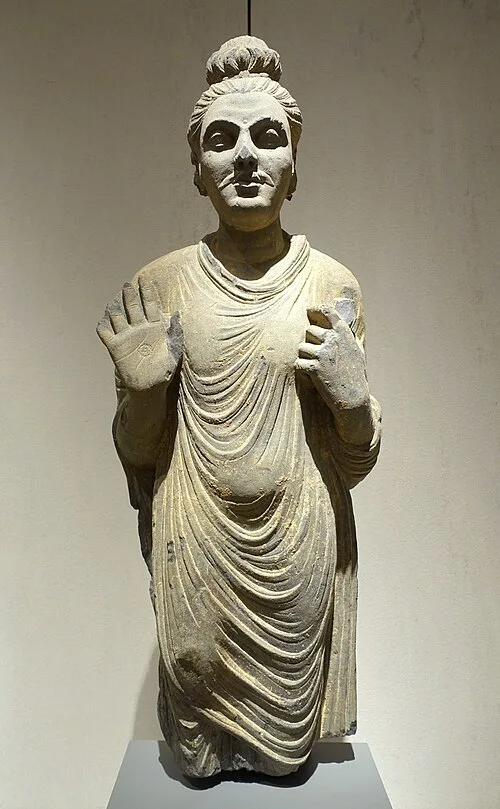

Siddhartha Gautama (founder of Buddhism), a prince of the Shakya clan from the foothills of the Himalayas, left his home in search of an end to suffering. After years as a wandering ascetic he attained enlightenment at Bodh Gaya and became the Buddha, “the awakened one”. He taught for decades in the Ganges plain and died at Kushinagar; historians date his life to the 6th or 5th century BCE. His contemporary Mahavira (teacher of Jainism) shaped Jainism, which teaches strict non-violence.
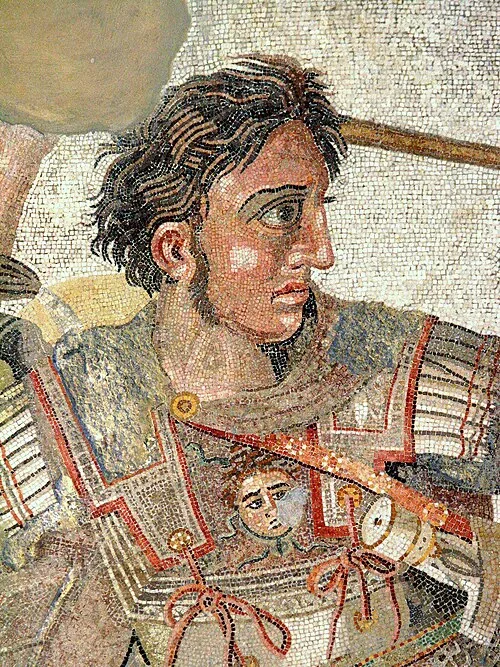

The kingdom of Magadha, with its capital first at Rajagriha and then at Pataliputra, today’s Patna, conquered its neighbours. In 326 BCE Alexander the Great (Macedonian conqueror) crossed the Indus and defeated King Porus (king who fought Alexander) at the river Hydaspes, but his army refused to march further east.
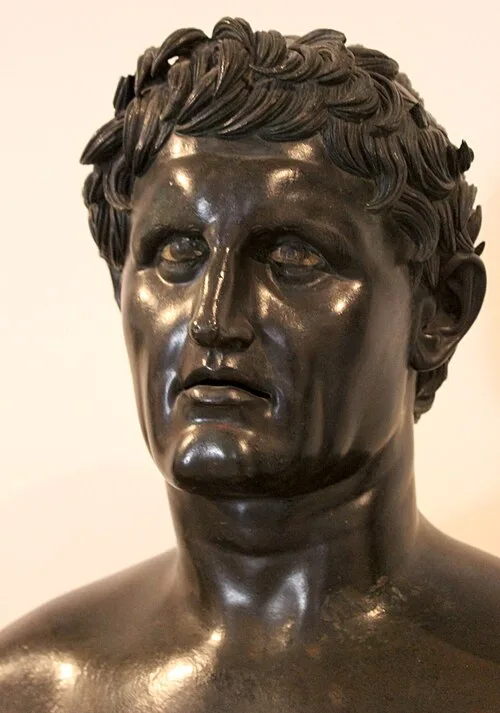

Around 321 BCE Chandragupta Maurya (first Mauryan emperor), helped, according to tradition, by his adviser Chanakya (adviser to Chandragupta), seized Magadha. He drove out Alexander’s garrisons, made a treaty with the Greek king Seleucus (Greek king of the east), and built an empire across northern India. The Greek ambassador Megasthenes (Greek envoy to Pataliputra) described his capital, Pataliputra, with its timber walls and great palace.
Chandragupta’s grandson Ashoka (Mauryan emperor) conquered Kalinga, on the east coast, around 261 BCE. In one of his inscriptions he says the slaughter filled him with remorse. He became a Buddhist and promoted dhamma, a moral code of non-violence, tolerance and care for others, which he had carved on rocks and polished stone pillars across his empire. After his death the empire shrank, and in about 185 BCE the last Maurya king was killed by his own general.