After 1707 the Mughal emperors kept their title but lost real power. Governors in Bengal, Awadh and Hyderabad ruled as independent princes, and the Marathas, led from Pune by their chief ministers, the Peshwas, raided and taxed much of India. In 1761 an Afghan army crushed the Marathas at Panipat, but their power revived.
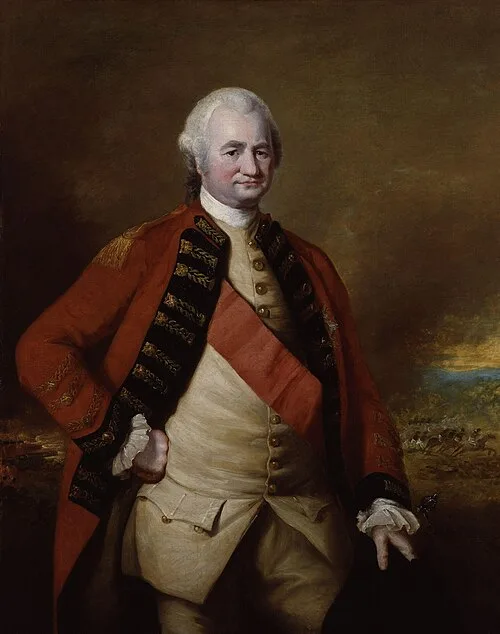

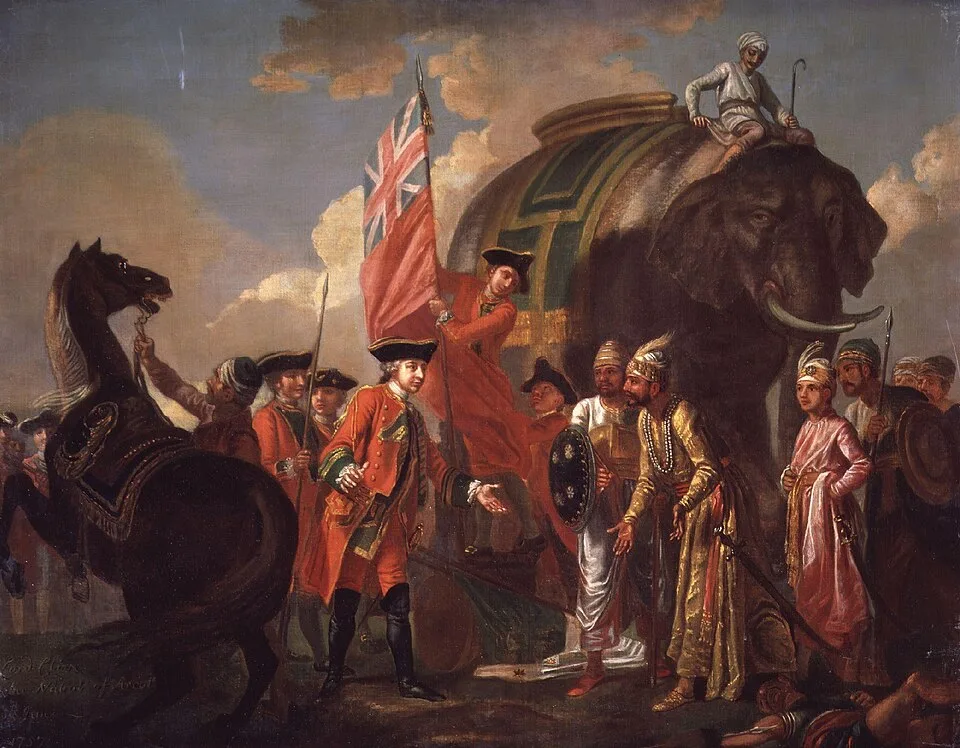
The East India Company, founded in London in 1600 to trade in spices and cloth, had forts at Madras, Bombay and Calcutta. In 1757 Robert Clive (Company general) defeated Siraj ud-Daulah, the nawab of Bengal, at Plassey, after the nawab’s commander, Mir Jafar (nawab put in power by Clive), agreed to change sides. In 1765 the Mughal emperor granted the Company the right to collect taxes in Bengal, and a trading firm became a government with its own army.

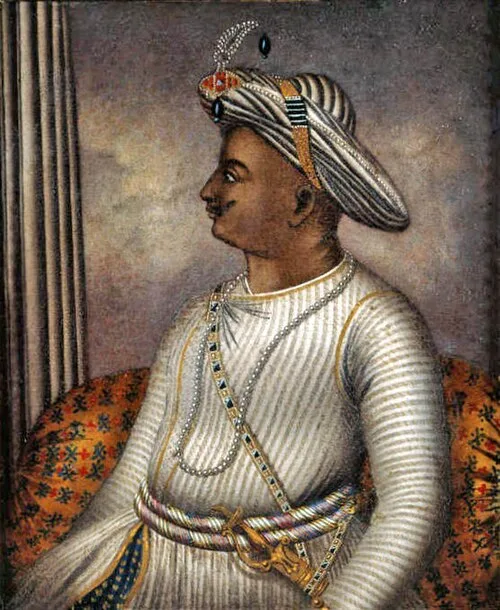

Over the next 90 years the Company conquered or made dependent most of India. Tipu Sultan (ruler of Mysore) of Mysore died defending his capital in 1799, the Marathas were defeated in 1818, and the Sikh kingdom of the Punjab, built by Ranjit Singh (maharaja of the Punjab), was annexed in 1849. In 1770 a famine in Bengal, made worse by Company tax collection, killed millions.
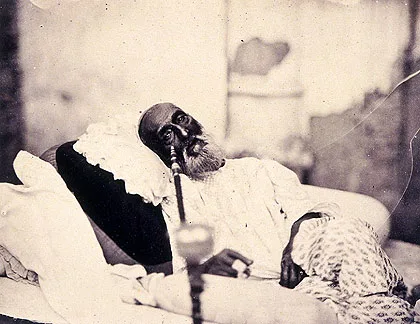

In 1857 Indian soldiers, the sepoys, rose at Meerut, angered by rumours that new rifle cartridges were greased with cow and pig fat, offensive to Hindus and Muslims. They marched to Delhi and proclaimed the old emperor, Bahadur Shah Zafar (last Mughal emperor), their leader. The revolt spread across the north, with princes such as Rani Lakshmibai (queen of Jhansi) of Jhansi joining, and was put down with great brutality in 1858. The British government then abolished the Company and ruled India directly.