Step 3: Buddha and Mauryas, c. 600–185 BCE
The Buddha
Founder of Buddhism
6th or 5th century BCEOne of the 20 key names
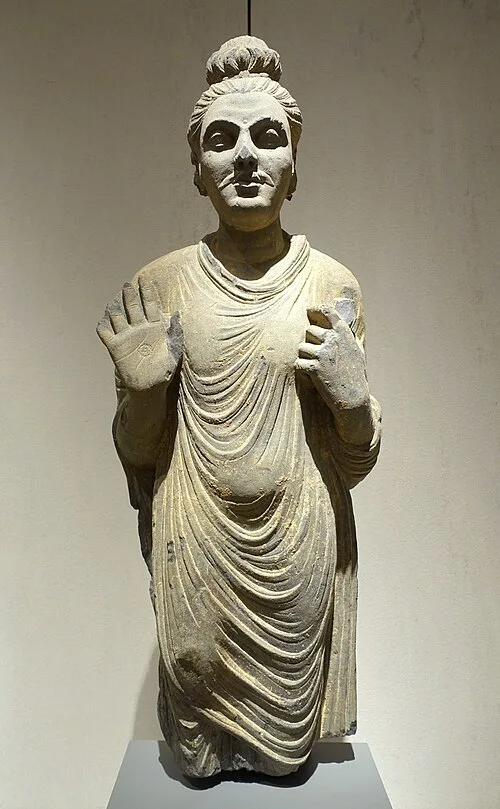

Siddharthagiven nameGautamaclan nameBuddhatitle, “the awakened one”the name to use
Prince of the Shakya clan who gave up his life at court to seek an end to suffering. He attained enlightenment at Bodh Gaya, gave his first teaching near Sarnath, taught across the Ganges plain for decades and died at Kushinagar. His exact dates are debated.
Memory hook
Buddha means “awakened one”. Picture him waking to the truth under the Bodhi tree, the “tree of awakening”, at Bodh Gaya.
Already in your name cards. New
In the story
Step 3: The Buddha and the Mauryan Empire
- The Buddha and Mahavira taught new paths to release from rebirth, and the kingdom of Magadha grew into an empire.
- Siddhartha Gautama, a prince of the Shakya clan from the foothills of the Himalayas, left his home in search of an end to suffering.
- After years as a wandering ascetic he attained enlightenment at Bodh Gaya and became the Buddha, “the awakened one”.