Step 6: Mughals, 1526–1707
Aurangzeb
Last great Mughal emperor
1618–1707One of the 20 key names
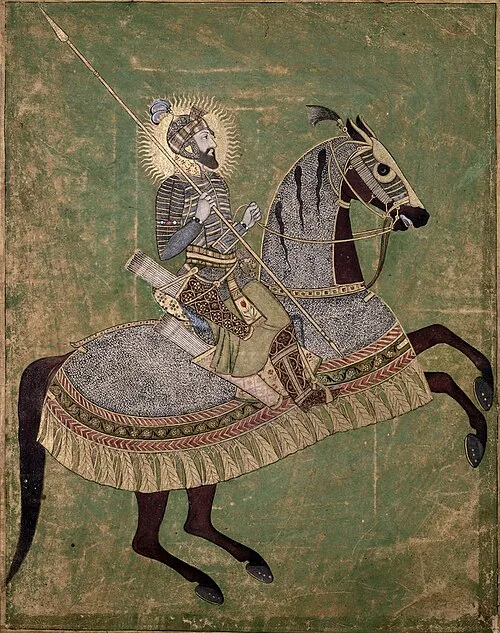

Aurangzebhis namethe name to use
Shah Jahan’s son, who seized the throne in 1658 and took the title Alamgir. He ruled the empire at its largest, enforced Islamic law and brought back the tax on non-Muslims, and spent his last decades at war in the Deccan.
Memory hook
Aurangzeb means “ornament of the throne”. Picture the ornament of the throne spending his last 26 years far from it, in army camps in the Deccan.
Already in your name cards. New
In the story
Step 6: The Mughal Empire
- Under Aurangzeb the empire reached its greatest size, but long wars left it worn out.
- Aurangzeb took the throne in 1658 after defeating his brothers and imprisoning his father.