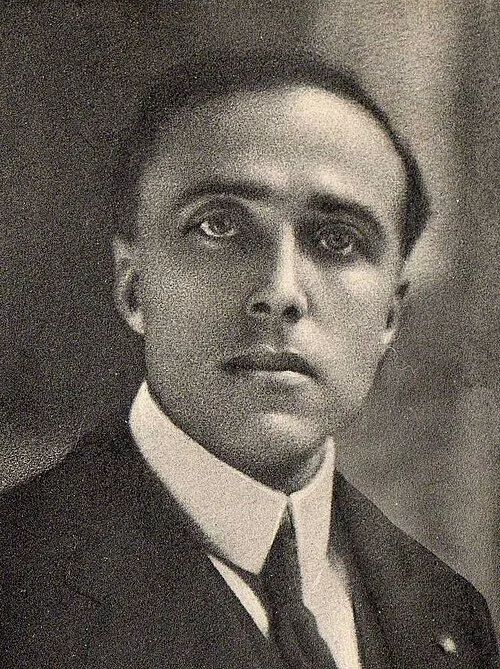

In 1924 the socialist deputy Giacomo Matteotti (socialist murdered by Fascists) denounced the violence and fraud of that year’s election and was kidnapped and murdered by Fascists. Mussolini (Fascist dictator) took responsibility in a speech in January 1925, and over the next two years other parties were banned, newspapers censored and opponents jailed or exiled to remote villages. The Marxist thinker Antonio Gramsci (Marxist thinker jailed by Fascism), arrested in 1926, wrote his Prison Notebooks in jail.
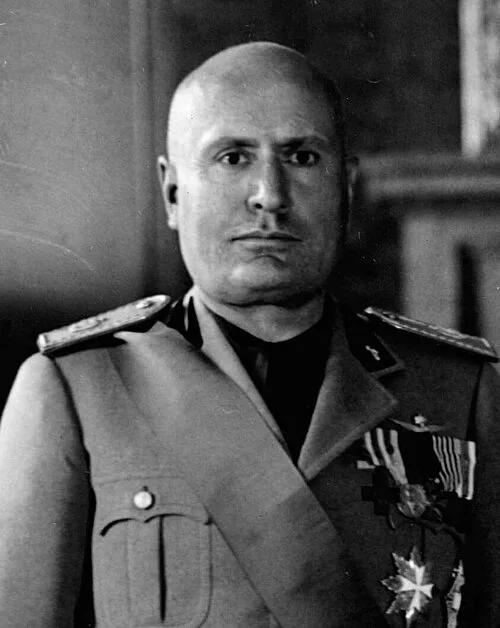

Mussolini (Fascist dictator), Il Duce, “the leader”, built a cult of himself, enrolled the young in Fascist organisations and drained the Pontine Marshes south of Rome. In 1929 he signed the Lateran Pacts with the Church, which created the independent Vatican City and settled the Roman Question.
In October 1935 Italy invaded Ethiopia, using poison gas, and in May 1936 Mussolini (Fascist dictator) proclaimed an empire. He drew closer to Hitler’s Germany, and in 1938 racial laws drove Jews from schools, universities and many jobs. Italy entered the Second World War in June 1940 and suffered defeats in Greece, North Africa and Russia.
In July 1943 the Allies landed in Sicily; the Fascist Grand Council voted against Mussolini (Fascist dictator), and the king had him arrested. When an armistice was announced in September, Germany occupied the north and centre, freed Mussolini and set him up at Salò. For twenty months Italy was a battlefield: the Allies fought their way north, partisans of the Resistance fought Germans and Fascists, and about 7,500 Jews were deported, most of them to their deaths. On 25 April 1945 the partisans called a general rising; three days later Mussolini, caught near Lake Como, was shot.