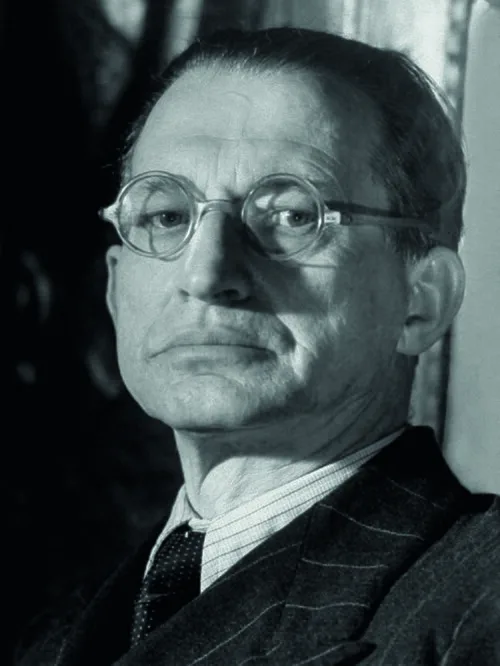

On 2 June 1946, in a referendum in which women voted nationally for the first time, about 54 per cent chose a republic, and King Umberto II (last king of Italy) left for exile. The new constitution came into force on 1 January 1948. That spring the Christian Democrats of Alcide De Gasperi (prime minister who rebuilt Italy) defeated the Communists and Socialists, and Italy joined NATO in 1949 and was one of the six founders of the European Economic Community in 1957.
In the 1950s and 1960s an economic miracle transformed the country. Millions moved from the south and the countryside to the factories of the north, and Fiat 500s, Vespa scooters and televisions became symbols of the new Italy. Rome hosted the Olympics in 1960, and films such as Fellini’s La Dolce Vita made Italian style famous.
From the bombing of Piazza Fontana in Milan in 1969, terrorists of the far right and far left waged the “years of lead”. The Red Brigades kidnapped and murdered the former prime minister Aldo Moro (prime minister murdered in 1978) in 1978, and a neo-fascist bomb at Bologna station killed 85 people in 1980. The state fought the Sicilian Mafia in the Maxi Trial of 1986–87, and in 1992 the Mafia murdered the judges Giovanni Falcone (anti-Mafia judge) and Paolo Borsellino (anti-Mafia judge).
From 1992 the Clean Hands investigations into bribery swept away the parties that had ruled since the war. The media owner Silvio Berlusconi (media owner and prime minister) entered politics and was prime minister three times between 1994 and 2011. Italy adopted the euro, was among the first countries hit hard by Covid-19 in 2020, and in 2022 Giorgia Meloni of the Brothers of Italy became the first woman prime minister.