The Peace of Cateau-Cambrésis in 1559 ended the Italian Wars and left Spain the leading power in Italy: it ruled Milan, Naples, Sicily and Sardinia directly. Venice, Genoa and the Papal States stayed independent, the Medici became grand dukes of Tuscany in 1569, and the dukes of Savoy moved their capital to Turin in 1563.
The Catholic Church answered the Protestant Reformation at the Council of Trent, which met between 1545 and 1563, reforming the clergy and defining its teaching. The Roman Inquisition and an index of banned books policed ideas, and the philosopher Giordano Bruno (philosopher burned in Rome) was burned in Rome in 1600. In 1571 a Holy League of Spain, Venice and the pope destroyed the Ottoman fleet at Lepanto.
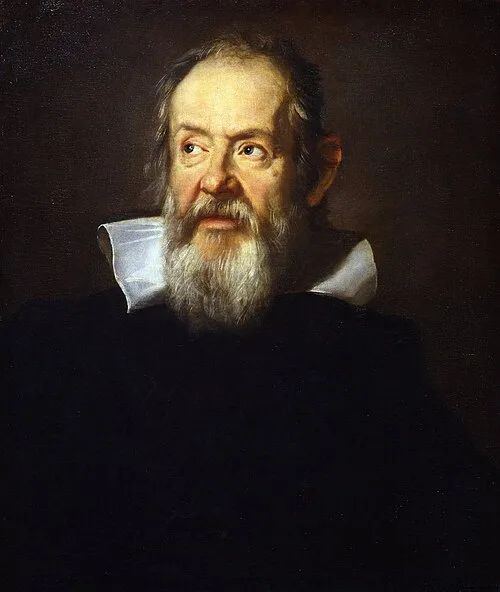

Galileo Galilei (astronomer and physicist), a professor at Padua, turned a telescope on the sky in 1609–10 and saw mountains on the Moon and four moons circling Jupiter. He argued for Copernicus’s view that the Earth moves around the Sun. In 1633 the Inquisition forced him to deny it, and he spent his last years under house arrest near Florence, still writing.
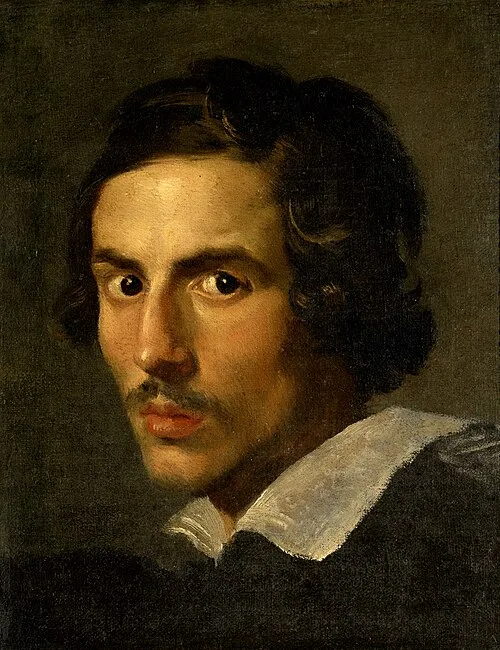

Rome was rebuilt in the new Baroque style: St Peter’s was consecrated in 1626, Bernini (Baroque sculptor and architect) framed its square with great colonnades, and Caravaggio (painter) painted with dramatic light and shadow. Opera was born in Italy around 1600, and Monteverdi’s Orfeo was staged at Mantua in 1607. In the 18th century wars passed Milan to Austria, Naples to a branch of the Bourbons from 1734, and Sardinia to the dukes of Savoy, who became kings. Travellers on the Grand Tour came to see the ruins, and digging began at Herculaneum in 1738 and Pompeii in 1748.