In 493 Theodoric (Ostrogothic king of Italy), king of the Ostrogoths, took Italy from Odoacer (first barbarian king of Italy) with the blessing of the emperor in Constantinople. He ruled from Ravenna for over thirty years, keeping Roman law and the Senate and employing Roman scholars. One of them, the philosopher Boethius (philosopher executed by Theodoric), was accused of treason and executed, having written The Consolation of Philosophy in prison.
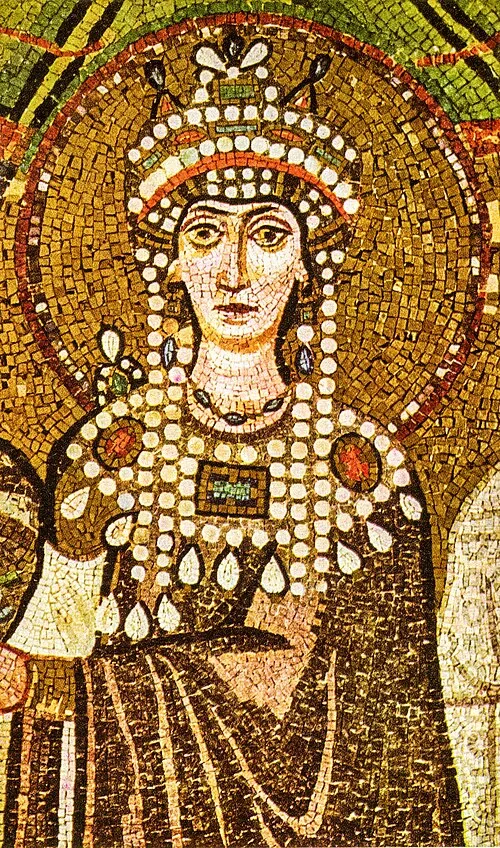

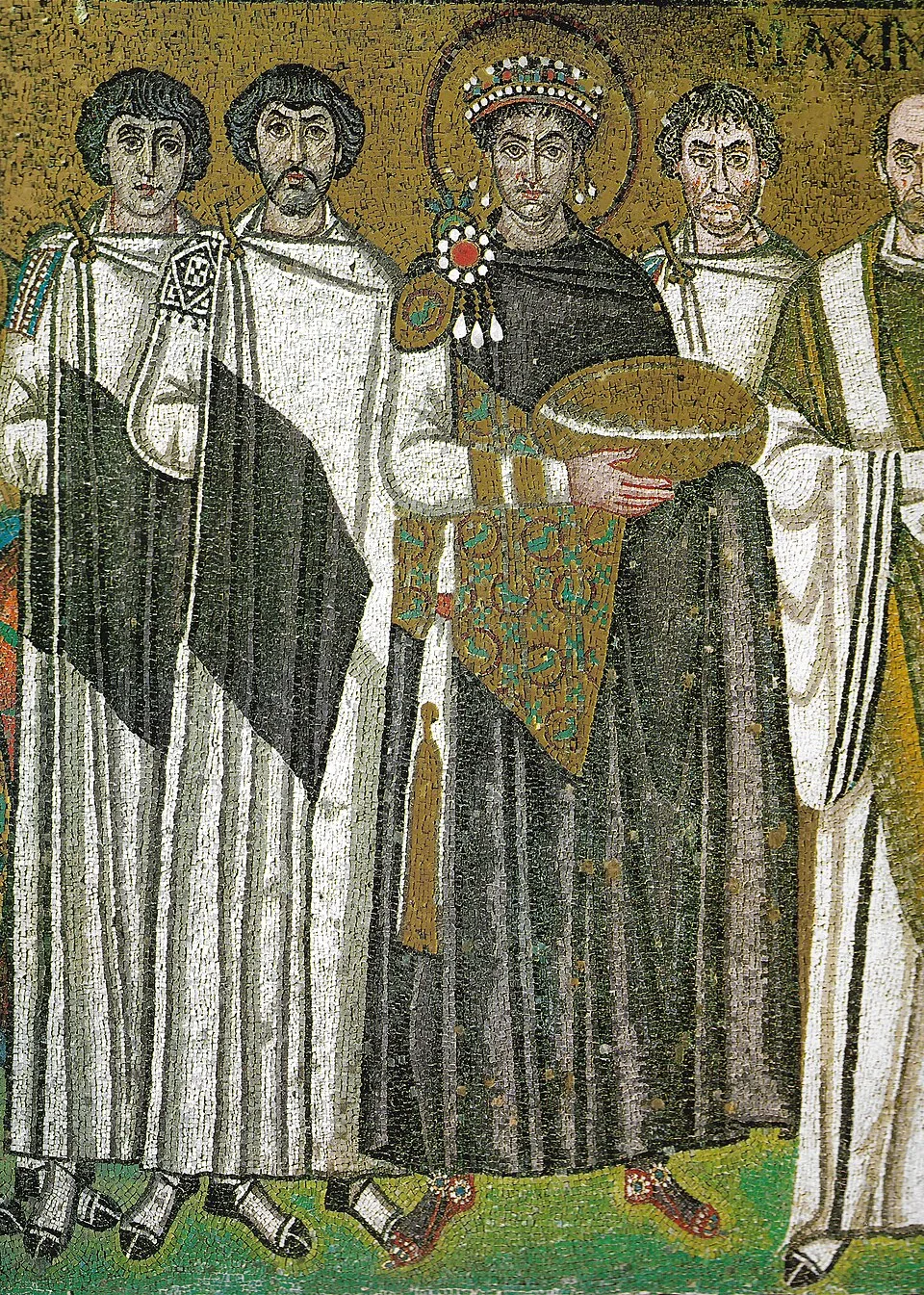
The eastern emperor Justinian (Byzantine emperor) set out to win Italy back. His Gothic War, from 535 to 554, succeeded but left the land ruined. The mosaics he paid for in the church of San Vitale at Ravenna show him and the empress Theodora (Byzantine empress) with their court. Only a few years later, in 568, the Lombards crossed the Alps under their king Alboin (Lombard king who invaded Italy) and took most of the peninsula.

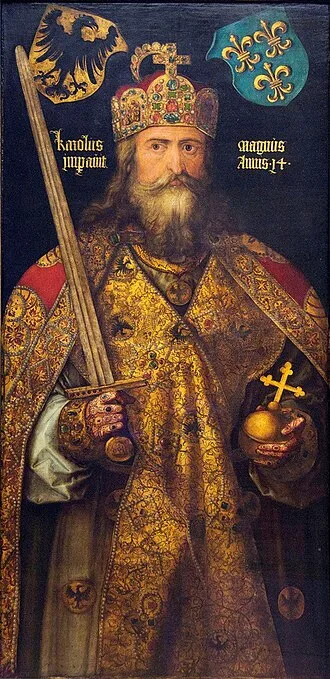

Italy was now divided: a Lombard kingdom with its capital at Pavia and strong duchies at Spoleto and Benevento; Byzantine Ravenna, Rome, Naples, Venice and the far south; and the growing power of the popes, such as Gregory the Great. Monks followed the Rule written by Benedict (father of western monks), who founded Monte Cassino around 529. When the Lombards threatened Rome, the popes turned to the Franks, and in 774 Charlemagne (Frankish king and emperor) made himself king of the Lombards. On Christmas Day 800 Pope Leo III (pope who crowned Charlemagne) crowned him emperor in St Peter’s.
From 827 Arab armies from North Africa conquered Sicily over some seventy years; Palermo became a great Islamic city, and citrus fruit, sugar cane and new ways of irrigation spread across the island. Arab raiders even sacked the churches outside Rome’s walls in 846. In the lagoon, Venice grew rich on trade with Constantinople under its elected doges. In 962 the German king Otto I (German king crowned emperor) was crowned emperor in Rome, binding the crowns of Germany and northern Italy for centuries.