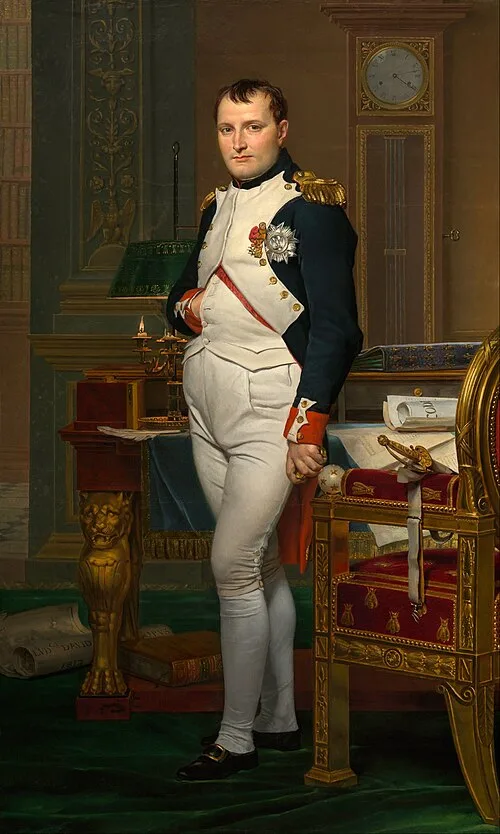

In 1796 the young general Napoleon Bonaparte (French emperor, king of Italy) led a French army into Italy and drove out the Austrians. He set up republics, and in 1797 handed Venice to Austria, ending its centuries of independence. In 1805 he crowned himself king of Italy in Milan, while his brother Joseph and then his brother-in-law Joachim Murat (Napoleon’s king of Naples) ruled Naples. The green, white and red tricolour first flew in these years.
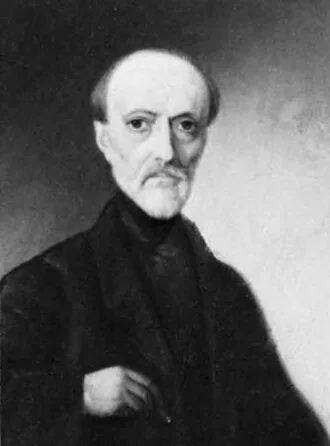

In 1815 the Congress of Vienna restored the old rulers: Austria held Lombardy and Venetia, the Bourbons the Kingdom of the Two Sicilies, the pope central Italy. Secret societies such as the Carbonari led risings in 1820–21 and 1831, all crushed. Giuseppe Mazzini (prophet of a united republic) founded Young Italy in 1831 to fight for a united, democratic republic. In 1848 revolutions broke out across Italy and Milan drove out the Austrians; early in 1849 a Roman Republic was declared. By the summer of 1849 Austria and France had restored the old order.
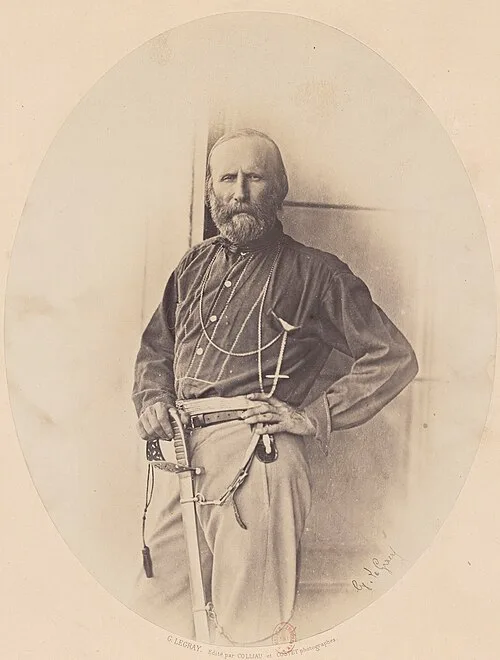

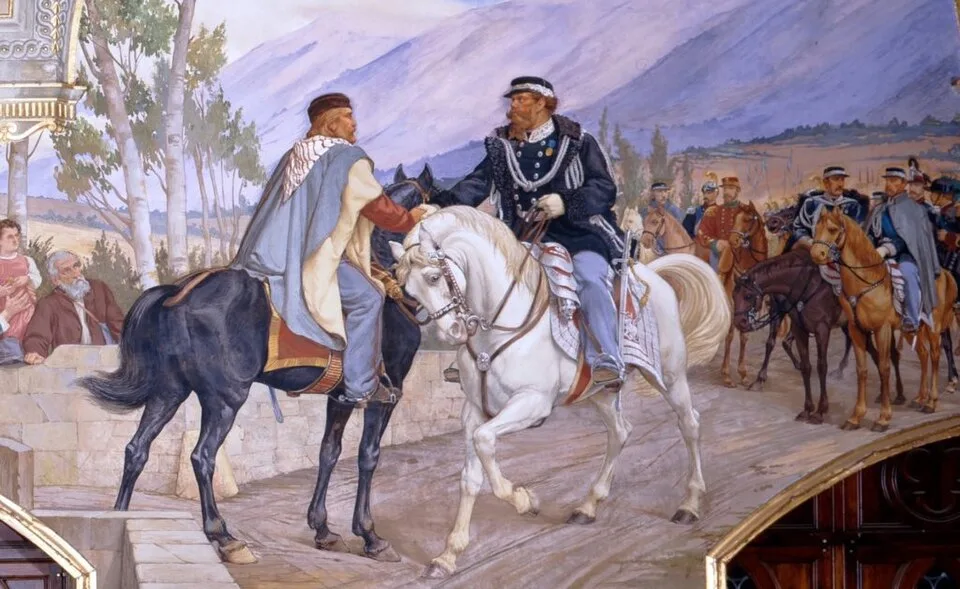
The kingdom of Piedmont-Sardinia, ruled by the house of Savoy, kept the constitution it had granted in 1848. Its prime minister from 1852, Count Camillo di Cavour (prime minister who united Italy), built railways and allied with Napoleon III (French emperor, Cavour’s ally) of France. In 1859 their armies beat the Austrians at Magenta and Solferino, and Piedmont gained Lombardy, then the states of central Italy, giving Nice and Savoy to France in return. In May 1860 Giuseppe Garibaldi (general of the Thousand) sailed from Genoa with a thousand volunteers, landed at Marsala, and conquered Sicily and Naples, which he handed to King Victor Emmanuel II (first king of Italy).

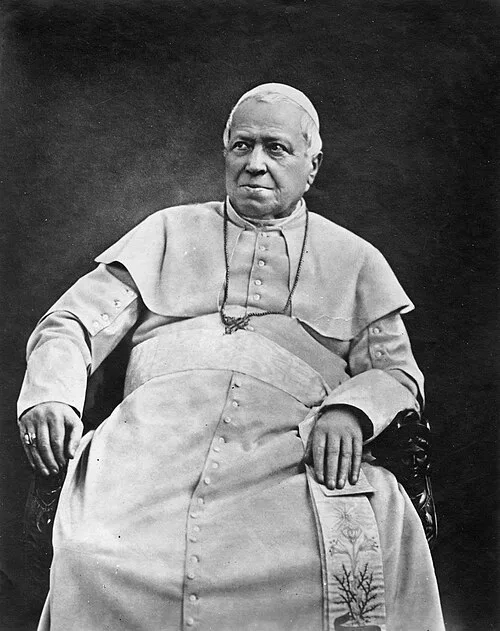

The Kingdom of Italy was proclaimed on 17 March 1861, with Turin as its capital; Cavour (prime minister who united Italy) died less than three months later. Venetia was added in 1866, after Austria’s defeat by Prussia. On 20 September 1870, when French troops had left Rome to fight Prussia, Italian soldiers broke through the walls at Porta Pia. Pope Pius IX (last pope-king) refused to accept the loss of his state.