Italian history in steps
Step 5 of 11

Normans, communes and Dante

1000–1400
Arte, a guild, and art

Normans built a rich kingdom in the south, while the cities of the north and centre became self-governing communes that grew wealthy on trade, banking and cloth. Venice and Genoa ruled the seas, Francis of Assisi (saint who chose poverty) preached poverty, and Dante (poet of the Divine Comedy) wrote his Divine Comedy in the language of Florence. Then the Black Death killed perhaps half of Italy’s people.

About 6 minutes

Who you’ll meet

3 key names in this era. Everyone else plays a smaller part: tap their name in the text whenever you need a reminder.

Also appearing (12)
Practise this era’s names

Where it happened

Tap a marker, a shaded region or a name below the map to see what happened there. Places in the text with a red pin open their own map card.

Place

Milan

Leader of the Lombard League.

Coastlines from Natural Earth. Kingdoms, states and regions are shown by name only, without borders; shaded areas follow today’s borders as a guide.

Open the atlas to compare this map with other eras, or browse all places.

What happened

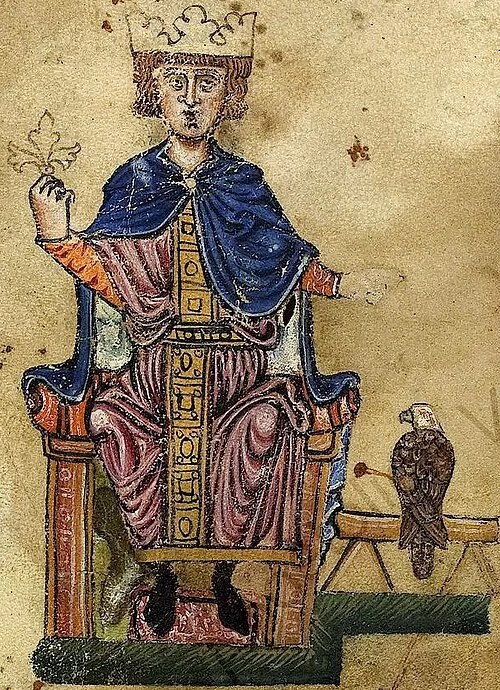
Frederick II
Frederick II Public domain, Wikimedia Commons

In the 11th century Norman knights from France conquered southern Italy; Robert Guiscard (Norman conqueror of the south) took the mainland and his brother Roger I (Norman conqueror of Sicily) took Sicily from its Arab rulers between 1061 and 1091. His son, Roger II (first king of Sicily), was crowned king of Sicily in Palermo in 1130 and ruled a kingdom of Latins, Greeks and Arabs. His grandson, the emperor Frederick II (emperor and king of Sicily), made his court one of the most brilliant in Europe.
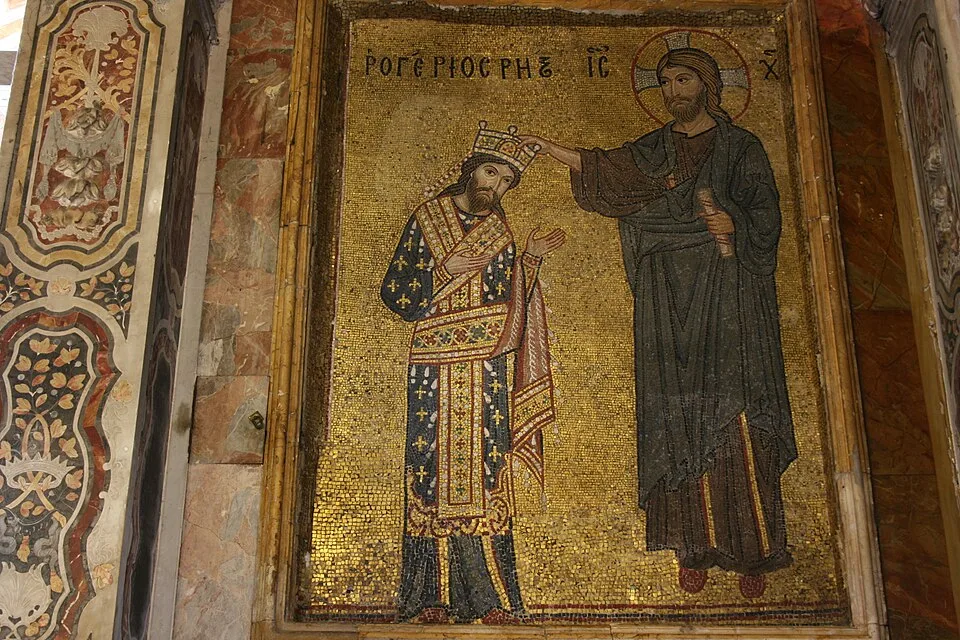
Mosaic of Christ crowning Roger II, in the church of the Martorana, Palermo.
Mosaic of Christ crowning Roger II, in the church of the Martorana, Palermo. Public domain, via Wikimedia Commons

In the north and centre, cities such as Milan, Florence, Bologna and Siena threw off their lords and governed themselves as communes, with elected officials, councils and powerful guilds. They fought the German emperors, and the Lombard League beat Frederick Barbarossa (emperor beaten at Legnano) at Legnano in 1176. Inside the cities, factions called Guelphs, who sided with the pope, and Ghibellines, who sided with the emperor, fought for control.
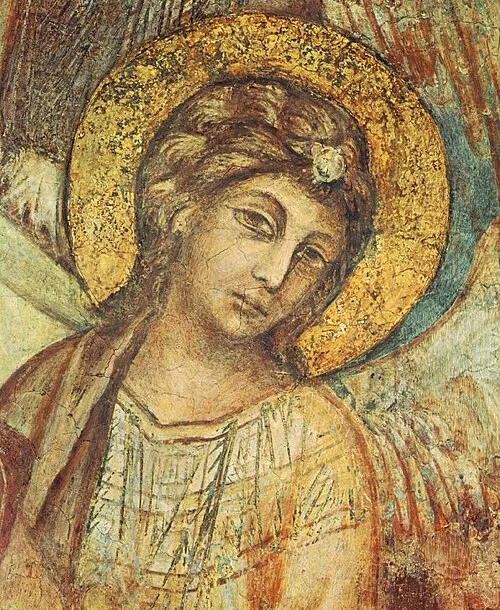
Francis of Assisi
Francis Public domain, Wikimedia Commons

Venice, Genoa, Pisa and Amalfi traded across the Mediterranean, and the Crusades brought them new markets; in 1204 a crusade led by Venice sacked Constantinople. Florentine bankers lent to kings across Europe, and the gold florin, first struck in 1252, was trusted everywhere. Marco Polo (Venetian traveller to China), a Venetian merchant, travelled to China and back between 1271 and 1295. Francis of Assisi (saint who chose poverty) gave up his wealth and founded a brotherhood of friars devoted to poverty.
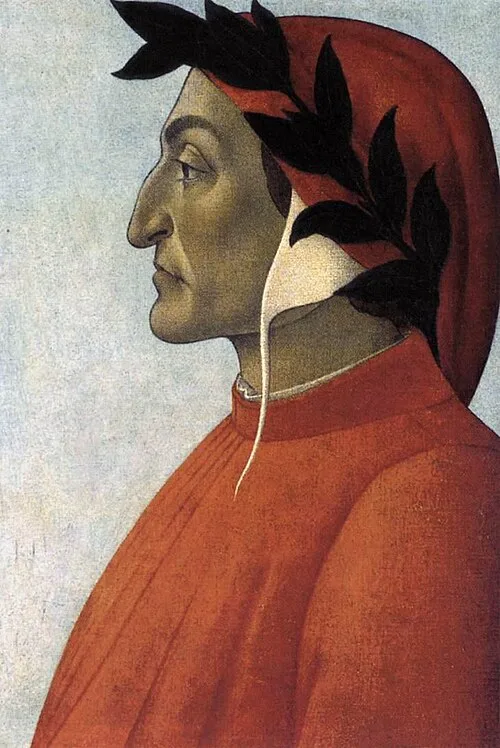
Dante Alighieri
Dante Public domain, Wikimedia Commons

Dante Alighieri (poet of the Divine Comedy), exiled from Florence in 1302, wrote the Divine Comedy, a journey through Hell, Purgatory and Paradise, in the Tuscan spoken in Florence rather than in Latin; it shaped the Italian language. Petrarch (poet and first humanist) and Boccaccio (author of the Decameron) followed him, and Giotto (painter) painted figures with a new weight and feeling. In 1347 ships brought the Black Death to Messina; within a few years it killed perhaps a third to a half of the people of Italy.

Words worth knowing

Comune

A self-governing city of medieval Italy; today it is the word for any Italian municipality.

Guelphs and Ghibellines

The factions that backed the pope and the emperor, and fought for control of the cities.

Florin

The gold coin of Florence, first struck in 1252, accepted across Europe.

Volgare

The spoken language, as opposed to Latin; Dante wrote in the volgare of Florence.

Did you know?

Why does the tower of Pisa lean?

Building began in 1173, and by the time the second storey was finished in 1178 the soft ground had begun to sink on one side. Work stopped for almost a century, which let the soil settle, and engineers reduced the lean in the 1990s and 2000s.

Where does the word quarantine come from?

From the Venetian quaranta giorni, “forty days”, the time ships from places struck by plague had to wait before landing, a rule of the 15th century.

Why are banks called banks?

The word comes from the Italian banco, the bench or counter at which money changers and bankers did business.

Myth or fact?

“Marco Polo brought pasta back from China.”

Match the names

Tap a name, then the role that goes with it.

Check yourself

Question 1 of 3

Who was crowned king of Sicily in 1130?

Question 2 of 3

In which language did Dante write the Divine Comedy?

Question 3 of 3

Where did the Black Death first arrive in Italy in 1347?

Collect the seal

Answer all three questions above to stamp the Communes and Dante seal. 0 of 3 answered.

Back to the seal book