Step 8: Risorgimento, 1796–1870
Napoleon Bonaparte
French emperor, king of Italy
1769–1821
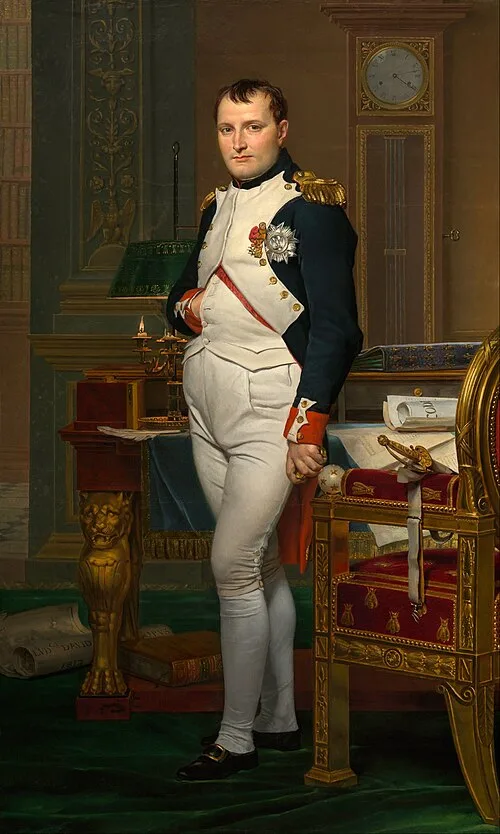

Napoleon Bonapartehis given name, by which he is known, and his family namethe name to use
Corsican-born general who conquered Italy in 1796–97, became emperor of the French and crowned himself king of Italy in Milan in 1805. His rule brought new laws and roads and heavy taxes and conscription.
Easy to mix up with
- Napoleon III (French emperor, Cavour’s ally, Risorgimento)
In the story
Step 8: Napoleon and the Risorgimento
- Napoleon swept away Italy’s old states and gave many Italians a taste of modern government.
- In 1796 the young general Napoleon Bonaparte led a French army into Italy and drove out the Austrians.
- Ludovico Manin, who stepped down in May 1797 as Napoleon’s army approached, ending a republic that had lasted about a thousand years.