Azuchi and Momoyama, sites of Nobunaga’s and Hideyoshi’s castles
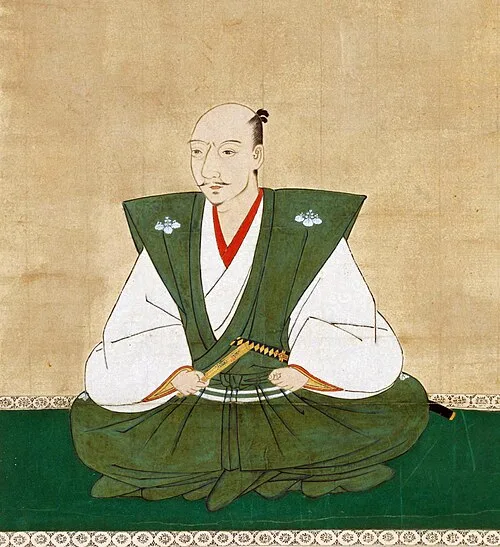
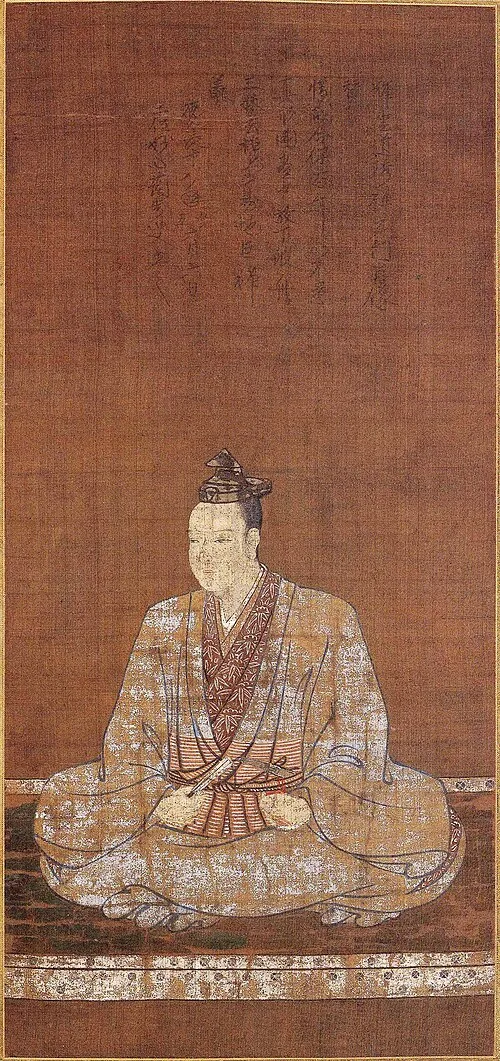
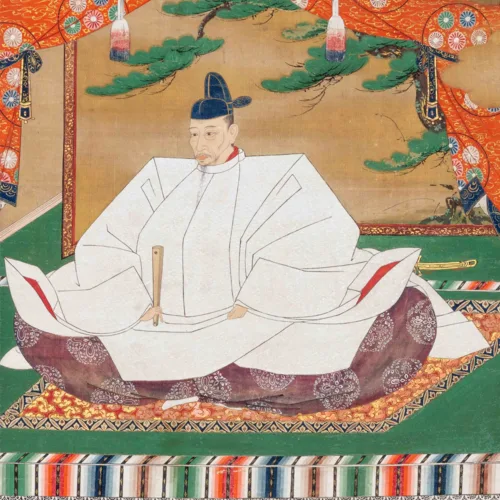
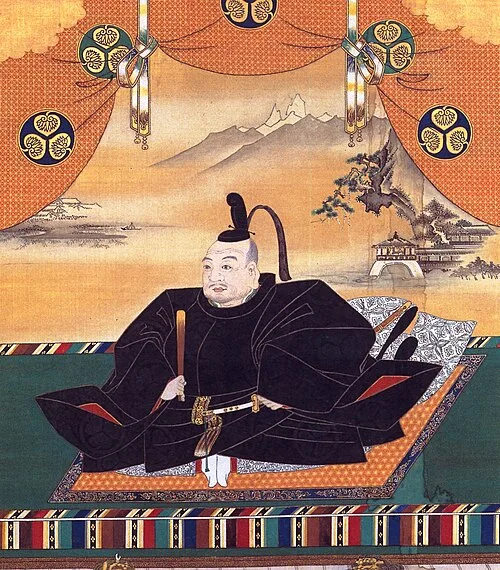
Three warlords, one after another, ended the century of war. Oda Nobunaga(first of the three unifiers) broke the old powers, Toyotomi Hideyoshi(second of the three unifiers) united the country, and Tokugawa Ieyasu(third unifier, first Tokugawa shogun) won the final victory and kept it.
About 6 minutes
Who you’ll meet
3 key names in this era. Everyone else plays a smaller part: tap their name in the text whenever you need a reminder.
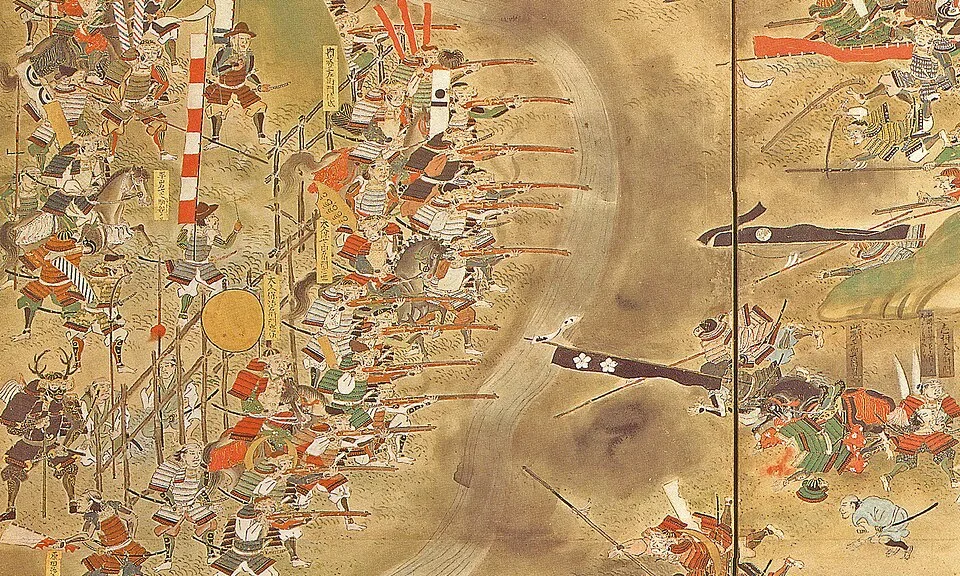
Oda Nobunaga(first of the three unifiers), a lord from Owari province, stunned everyone in 1560 by defeating the far larger army of Imagawa Yoshimoto(powerful eastern warlord) at Okehazama. He entered Kyoto in 1568, crushed rival lords and armed Buddhist monasteries (burning the temple complex on Mount Hiei in 1571), and used massed firearms to defeat the Takeda at Nagashino in 1575.
Part of a folding screen of the battle of Nagashino, 18th century. Tokugawa Art Museum. Public domain, via Wikimedia Commons
In 1582, at the height of his power, Nobunaga(first of the three unifiers) was attacked by his own general Akechi Mitsuhide(Nobunaga’s general) at Honnō-ji temple in Kyoto, and died there. Within two weeks another of his generals, Toyotomi Hideyoshi(second of the three unifiers), had rushed back and defeated Akechi.
Hideyoshi(second of the three unifiers), who had risen from the lowest ranks, finished the job: by 1590 all of Japan acknowledged him. His “sword hunt” of 1588 disarmed farmers and helped fix the line between peasants and samurai. He then invaded Korea in 1592 and 1597, aiming at China; the campaigns failed and ended after his death in 1598.
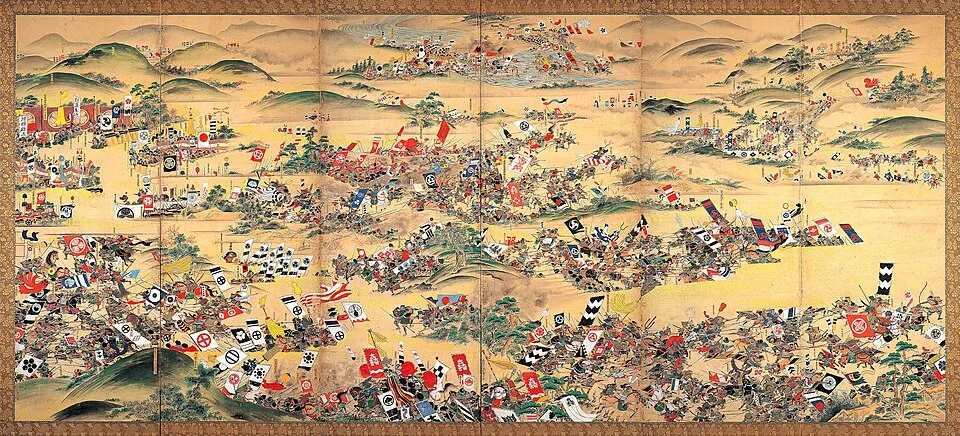
Hideyoshi(second of the three unifiers) left a small son, and the council meant to protect him split. Tokugawa Ieyasu(third unifier, first Tokugawa shogun) won the Battle of Sekigahara in 1600, became shogun in 1603 and destroyed the last Toyotomi stronghold at Osaka in 1615. An old satirical verse sums it up: Nobunaga(first of the three unifiers) pounded the rice, Hideyoshi kneaded it, and Ieyasu sat down and ate the cake.
A folding screen of the battle of Sekigahara, late Edo period. Gifu City Museum of History. Public domain, via Wikimedia Commons
Words worth knowing
Tenka天下
“All under heaven”: the realm the unifiers fought to control.
Katanagari刀狩
The 1588 “sword hunt”, which confiscated weapons from farmers and temples.
Kampaku関白
Imperial regent: the court title Hideyoshi ruled under.
Momoyama桃山
“Peach hill”, the name later given to the site of Hideyoshi’s Fushimi Castle in Kyoto; it also names the bold, gilded art of the age.
Did you know?
What was the official reason for the sword hunt?
Hideyoshi’s edict said the confiscated blades would be melted down for nails and bolts in a giant Buddha statue he was building in Kyoto, so farmers would benefit in this life and the next.
Who was the Englishman who became a samurai?
William Adams(English navigator turned samurai), a navigator who reached Japan in 1600 on a Dutch ship. He became an adviser to Ieyasu(third unifier, first Tokugawa shogun), was granted an estate and warrior rank, and inspired the hero of James Clavell’s novel Shōgun.
Who was Yasuke?
A man of African origin who came to Japan with Jesuit missionaries and entered Nobunaga’s service in 1581. Both Japanese and European records mention him; how to describe his exact status is debated.
Myth or fact?
“Nobunaga, Hideyoshi and Ieyasu each wrote a famous verse about a cuckoo that won’t sing.”
Match the names
Tap a name, then the role that goes with it.
Check yourself
Question 1 of 3
Where was Oda Nobunaga killed in 1582?
Question 2 of 3
What was the real effect of Hideyoshi’s 1588 sword hunt?
Question 3 of 3
Which battle in 1600 decided who would rule Japan?
安土桃山
Collect the seal
Answer all three questions above to stamp the Unification seal. 0 of 3 answered.