Who’s who
Twenty names carry the story of Japan. Learn those, and everyone else can stay a face in the crowd that you tap for a reminder.
Your name cards
A name counts as known once you have recalled it three times, days apart. Cards come back after 1, 3, 7, 16 and 35 days as you get them right, and straight away when you miss one.
Practise 6 cardsPeople you met already
Read a step, and everyone you meet in it gathers here, step by step.
How to read a Japanese name
- Family name first. Oda Nobunaga is Nobunaga of the Oda family.
- As a rule of thumb, older figures go by their given name and modern ones by their family name: Nobunaga and Ieyasu, but Itō and Yoshida. In this seminar the name to use is always in bold.
- No means “of”. It appears with the old court clans, as in Minamoto no Yoritomo and Fujiwara no Michinaga.
- Emperors have no family name. They are known by a name given after death or, from Meiji on, by their era. Hirohito is a personal name used abroad; in Japan he is Emperor Shōwa.
- Some modern names are flipped in English. Yukio Mishima is Mishima Yukio in Japanese.
- Many people changed names. Hideyoshi used several in his lifetime, and Hokusai worked under more than thirty.
The 20 key names
In the order they appear. Tap a card for the full story and a memory hook.
Names that are easy to mix up
Yoshi- names
Yoshi- is a very common start to a man’s name in Japanese history, so read what follows it.
- Minamoto no YoshitsuneYoritomo’s brother, Kamakura
- Ashikaga YoshimitsuKey nameShogun of the Golden Pavilion, Muromachi
- Ashikaga YoshimasaShogun of the Silver Pavilion, Muromachi
- Imagawa YoshimotoPowerful eastern warlord, Unification
- Nitta YoshisadaGo-Daigo’s loyal general, Kamakura
- Tokugawa YoshinobuKey nameLast shogun, Edo
- Yoshida ShigeruPrime minister of the recovery, Postwar
Shō- names
Shō- turns up in many imperial names: here a prince, an emperor, an empress and the wartime emperor’s era name.
Family lines
A relation is easier to hold than a name on its own. Each line runs from parent to child.
Shōmu’s family: emperor, empress and their daughter
Two Minamoto brothers, elder first
Ashikaga grandfather and grandson
The great families
The imperial family from the Kofun period to today
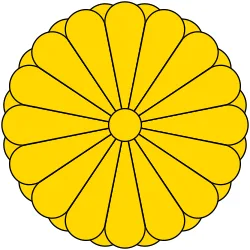

By tradition one unbroken line, from the legendary Jimmu to Naruhito. Its emblem is the chrysanthemum. Emperors are mostly remembered by a name given after death or, since Meiji, by the name of their era.
21 emperors, empresses and princes appear in the seminar. See them all
Soga 6th–7th centuries
Court clan that championed Buddhism and dominated the court until its leaders were killed in the coup of 645.
People: Iruka
Mononobe 6th century
Court clan that opposed Buddhism and was defeated by the Soga in 587.
Fujiwara 7th–12th centuries
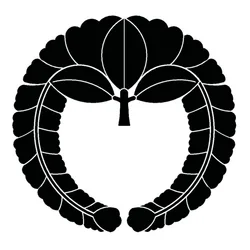

Fujiwara means “wisteria field”. Founded by Nakatomi no Kamatari, the family ran the court as regents by marrying its daughters to emperors.
Taira, also called Heike 12th century
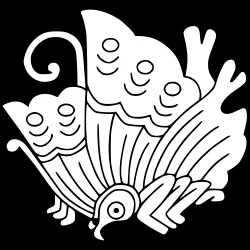

Fought under red banners. Rose under Kiyomori to dominate the court, then was destroyed at Dan-no-ura in 1185. The “Hei” in Genpei War is the Taira.
People: Kiyomori
Minamoto, also called Genji 12th–13th centuries
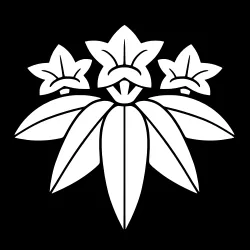

Fought under white banners, beat the Taira, and Yoritomo founded the first shogunate. The “Gen” in Genpei War is the Minamoto. The hero of The Tale of Genji is a fictional prince given the same clan name.
People: Yoritomo, Yoshitsune
Hōjō 13th century to 1333
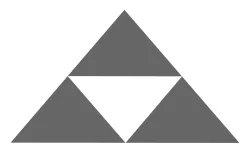

Yoritomo’s in-laws, who ran the Kamakura shogunate as regents. An unrelated family of the 1500s took the same name, so watch the dates.
People: Masako
Ashikaga 1338–1573
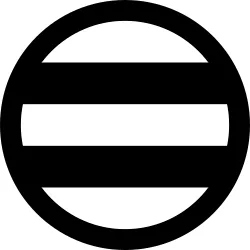

The second line of shoguns, ruling from the Muromachi district of Kyoto. Every shogun after the founder, Takauji, has a name starting Yoshi-.
People: Takauji, Yoshimitsu, Yoshimasa
Takeda 16th century
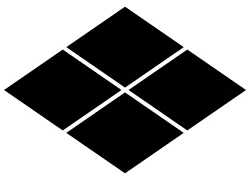

Powerful warrior family of Kai province (today’s Yamanashi), defeated by Nobunaga and Ieyasu at Nagashino in 1575 and destroyed in 1582.
People: Shingen
Tokugawa 1603–1867
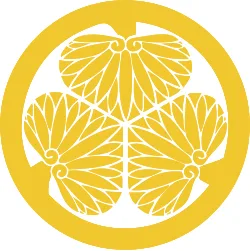

The third and last line of shoguns, ruling from Edo for over 250 years. Its crest shows three hollyhock leaves.
Everyone, by era
1. Jōmon–Yayoi
2. Kofun–Asuka
- Emperor NintokuEmperor linked to the giant tomb
- Prince ShōtokuKey nameBuddhist prince-regent
- Empress SuikoFirst reigning empress
- Nakatomi no KamatariFounder of the Fujiwara
- Emperor Yang of SuiChinese emperor of the Sui
- Emperor YūryakuGreat king of the 5th century
- Emperor TenjiPrince of the 645 coup
- Soga no IrukaHead of the Soga at court
- Emperor TenmuVictor of the 672 succession war
- Empress JitōEmpress who built Fujiwara-kyō
3. Nara
- Emperor ShōmuKey nameEmperor of the Great Buddha
- Empress KōmyōShōmu’s empress
- GyōkiMonk of bridges and roads
- BodhisenaIndian monk
- DōkyōAmbitious monk
- Empress ShōtokuShōmu’s daughter
- Emperor KanmuEmperor who founded Kyoto
- AmaterasuSun goddess of myth
- GanjinMonk of the six voyages
- Prince SawaraCrown prince turned vengeful spirit
- Sakanoue no TamuramaroGeneral against the Emishi
4. Heian
- Fujiwara no MichinagaKey nameMost powerful Fujiwara regent
- Murasaki ShikibuKey nameAuthor of The Tale of Genji
- Sei ShōnagonAuthor of The Pillow Book
- Fujiwara no YorimichiMichinaga’s son
- Taira no KiyomoriKey nameTaira leader
- Emperor AntokuKiyomori’s grandson
- SaichōFounder of Tendai
- KūkaiFounder of Shingon
- Emperor ShirakawaFirst great cloistered emperor
5. Kamakura
- Minamoto no YoritomoKey nameFirst shogun
- Minamoto no YoshitsuneYoritomo’s brother
- Hōjō MasakoThe “nun shogun”
- Kublai KhanKey nameMongol emperor of China
- EisaiMonk who brought Zen and tea
- DōgenMonk who brought Sōtō Zen
- Emperor Go-DaigoKey nameEmperor who fought the shoguns
- Emperor Go-TobaEmperor of the Jōkyū War
- HōnenFounder of the Pure Land school
- ShinranFounder of True Pure Land
- NichirenProphet of the Lotus Sutra
- Nitta YoshisadaGo-Daigo’s loyal general
6. Muromachi
- Ashikaga TakaujiKey nameFirst Ashikaga shogun
- Ashikaga YoshimitsuKey nameShogun of the Golden Pavilion
- Ashikaga YoshimasaShogun of the Silver Pavilion
- ZeamiMaster of Noh
- Kan’amiZeami’s father
- Francis XavierFirst missionary to Japan
- Yukio Mishima20th-century novelist
- Takeda ShingenWarlord of Kai
- Uesugi KenshinWarlord of Echigo
7. Unification
- Oda NobunagaKey nameFirst of the three unifiers
- Imagawa YoshimotoPowerful eastern warlord
- Akechi MitsuhideNobunaga’s general
- Toyotomi HideyoshiKey nameSecond of the three unifiers
- Tokugawa IeyasuKey nameThird unifier, first Tokugawa shogun
- Sen no RikyūTea master
- William AdamsEnglish navigator turned samurai
- YasukeAfrican man in Nobunaga’s service
- Yi Sun-sinKorean admiral
8. Edo
9. Meiji
- Emperor MeijiKey nameEmperor of modernisation
- Saigō TakamoriKey nameRestoration hero turned rebel
- Itō HirobumiFirst prime minister
- Fukuzawa YukichiEducator on the old 10,000-yen note
- Shibusawa EiichiFather of Japanese capitalism
- Ōkuma ShigenobuPrime minister and university founder
- Theodore RooseveltUS president
10. Taishō–Shōwa
- Emperor TaishōMeiji’s son
- Emperor Shōwa (Hirohito)Key nameEmperor of the war years
- Tōjō HidekiWartime prime minister
- Yamamoto IsorokuAdmiral behind Pearl Harbor
- Woodrow WilsonUS president
- Sadako SasakiGirl of the paper cranes
- Hiroo OnodaSoldier who held out until 1974
- Hara TakashiPrime minister of party rule
- Hamaguchi OsachiPrime minister of the naval treaty
- Inukai TsuyoshiVeteran party prime minister
No one by that name or role. Try part of a name, like “Yoshi”.
Reading settings
How much of the story to show at each step: a short version, the standard one, or a longer one with more detail.