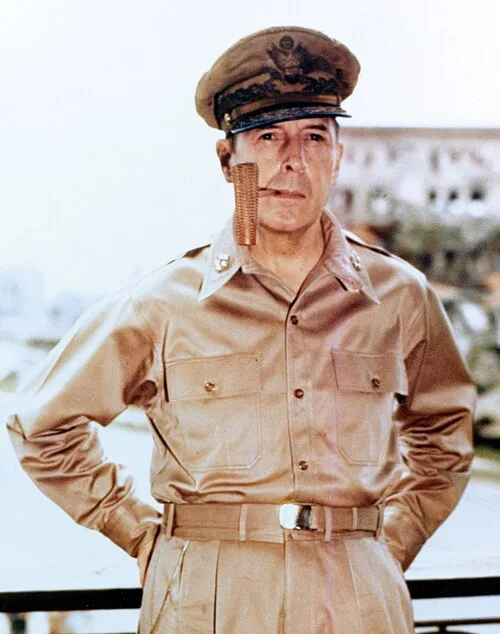

From 1945 to 1952 Japan was occupied by the Allies under US General Douglas MacArthur (US general of the occupation). Women voted for the first time in 1946, and 39 were elected to parliament. The 1947 constitution made the emperor “the symbol of the State” and, in Article 9, renounced war. It has never been amended; whether to revise it, especially Article 9, is a live political debate in 2026.
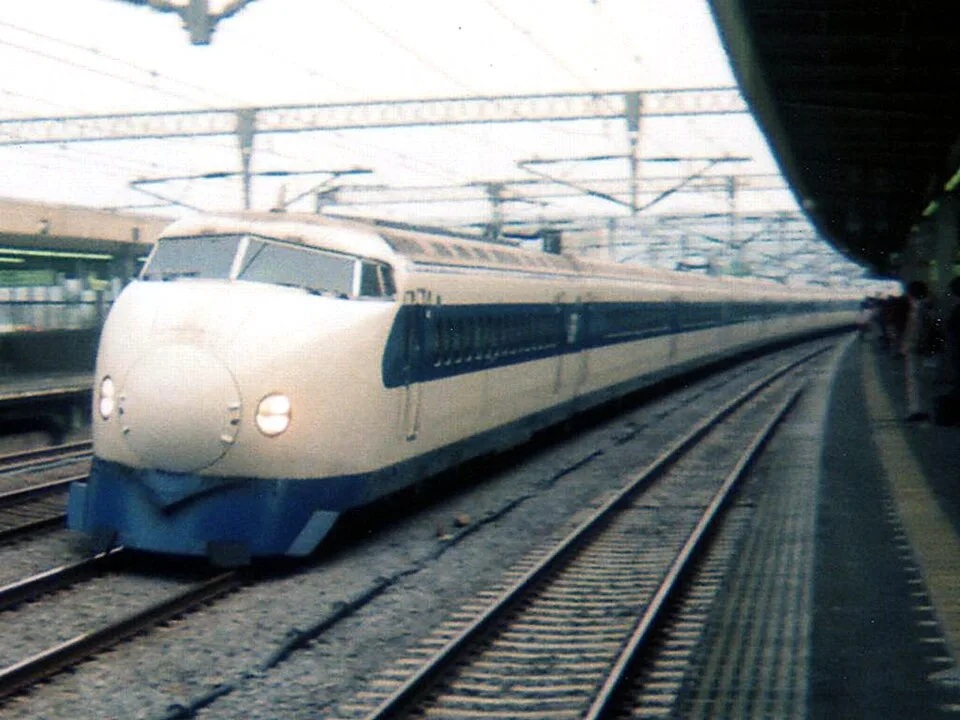
Rebuilding was astonishingly fast. Helped by US orders during the Korean War, high savings and export industries, the economy grew by around 10% a year through the 1960s, and in 1968 it overtook West Germany as the second-largest economy in the capitalist world. The 1964 Tokyo Olympics, and the first Shinkansen bullet train, opened nine days before the Games, announced the comeback. Okinawa, under US administration since the war, returned to Japan in 1972.

In the late 1980s a speculative bubble pushed stock and land prices to extraordinary heights. It burst in the early 1990s, beginning years of slow growth often called the “lost decades”. 1995 brought both the Kobe earthquake and the sarin gas attack on the Tokyo subway by the Aum Shinrikyo cult.
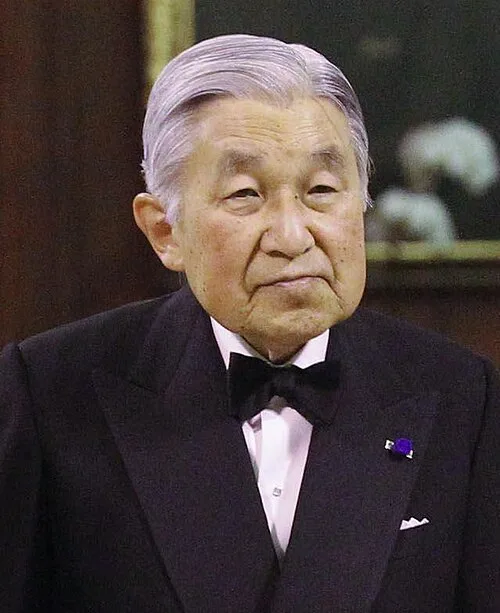

On 11 March 2011 a magnitude 9 earthquake and tsunami struck northeastern Japan, leaving around 18,000 people dead or missing and causing the Fukushima nuclear disaster. In 2019 Emperor Akihito (Hirohito’s son) became the first emperor to abdicate in about two hundred years, and his son Naruhito’s reign began a new era: Reiwa.