Step 5: Kamakura, 1185 – 1333
Emperor Go-Daigo
Emperor who fought the shoguns
1288–1339One of the 20 key names
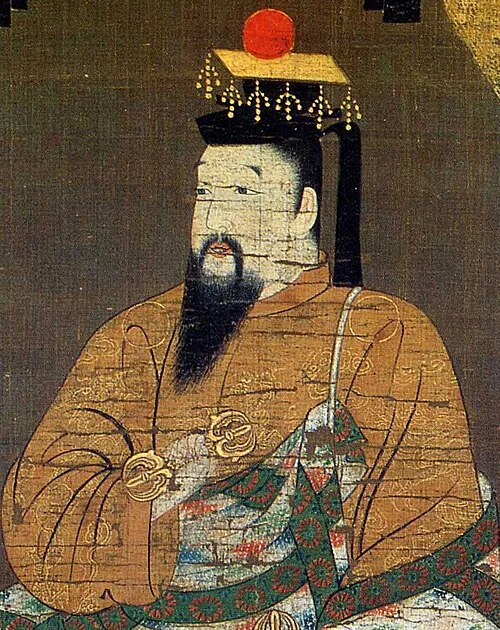

EmperortitleGo-Daigoname used after death, which he chose himselfthe name to use
Emperor who rallied warriors to overthrow the Kamakura shogunate in 1333 and tried to restore direct imperial rule. When Ashikaga Takauji turned on him, he set up a rival Southern Court.
Memory hook
Go- (後) means “later”. He chose to be remembered as the later Daigo, after a 10th-century emperor who ruled in person, which is exactly what Go-Daigo tried to do.
Family
Already in your name cards. New
In the story
Step 6: Muromachi and the Warring States
- Go-Daigo’s restoration did not last.