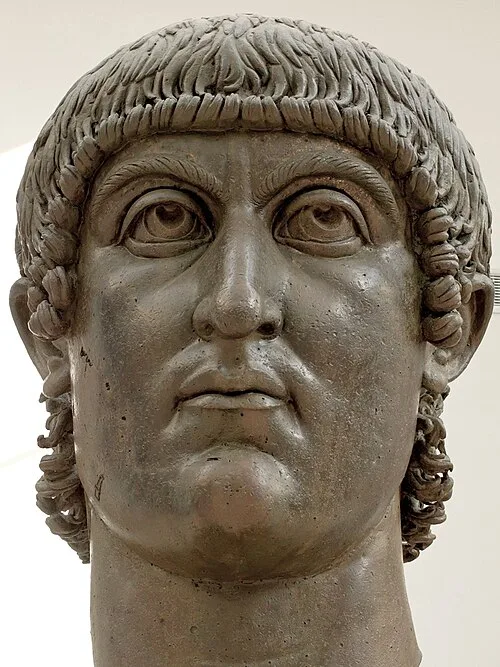

Constantine (first Christian Roman emperor), the first Christian emperor, refounded Byzantium as Constantinople in 330. Theodosius I (emperor who made Christianity official) made Christianity the state religion in 380, and after his death in 395 the empire was split for good into a western and an eastern half. The west fell to Germanic kings by 476, but the east survived. Its people called themselves Romans, Rhomaioi; the name Byzantine was given by later scholars.
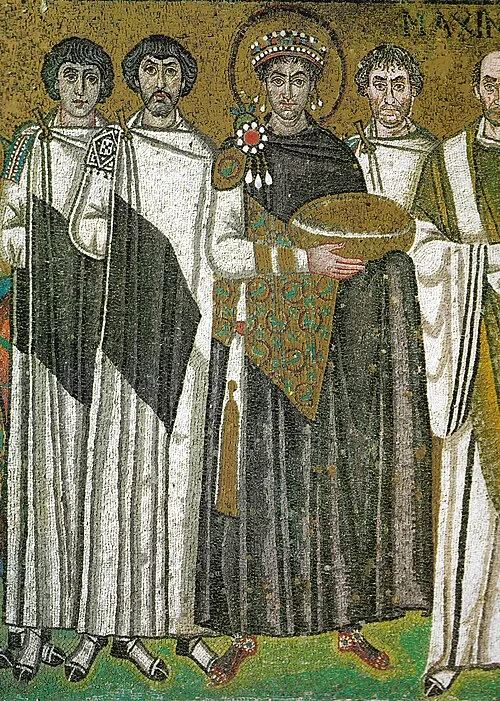

Justinian (emperor who built Hagia Sophia), emperor from 527 to 565, won back North Africa, Italy and part of Spain, gathered Roman law into one great code, and built Hagia Sophia, finished in 537, with a dome that seemed to float. But a terrible plague struck in 541, and soon after his death much of Italy was lost.
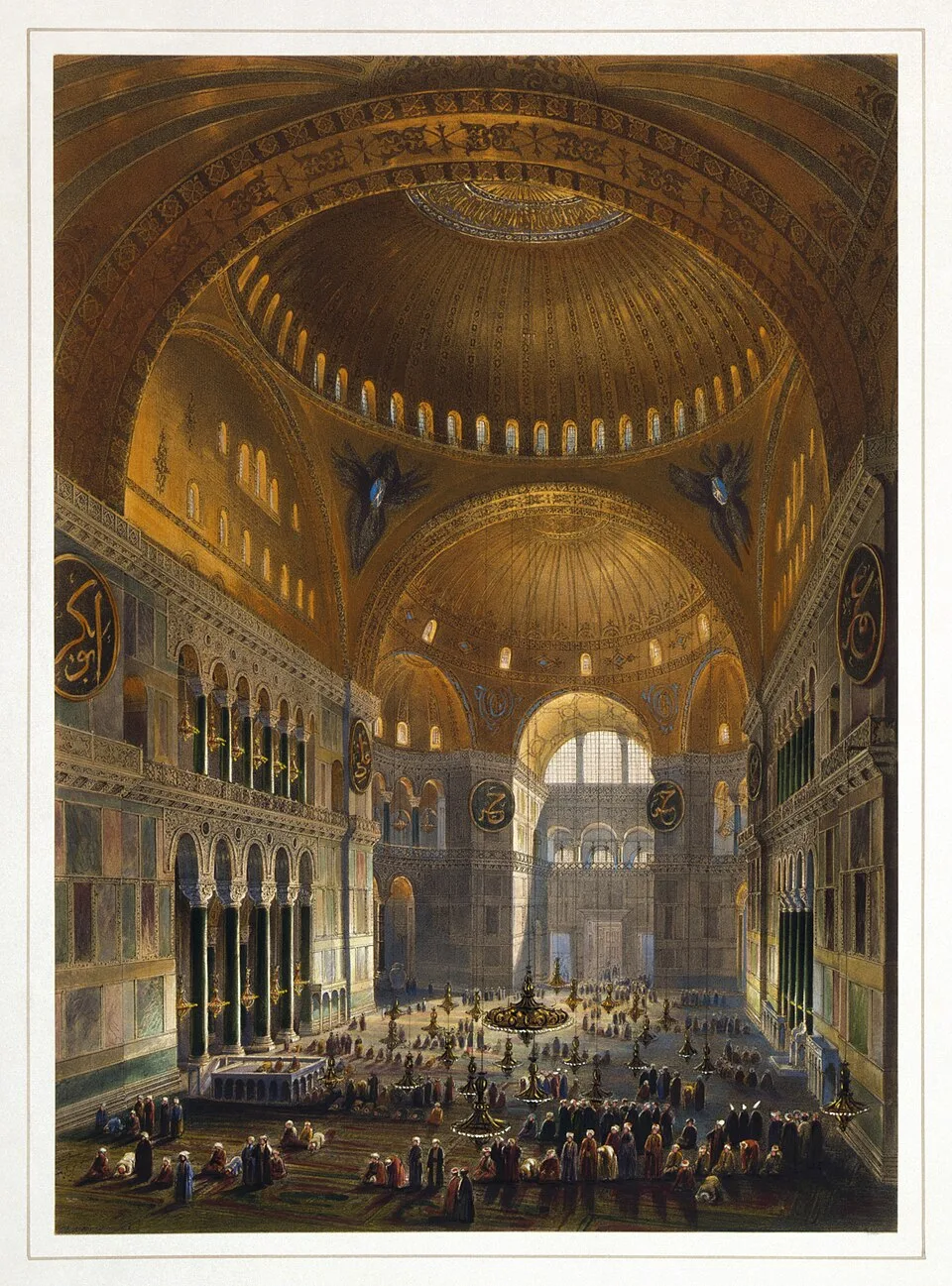

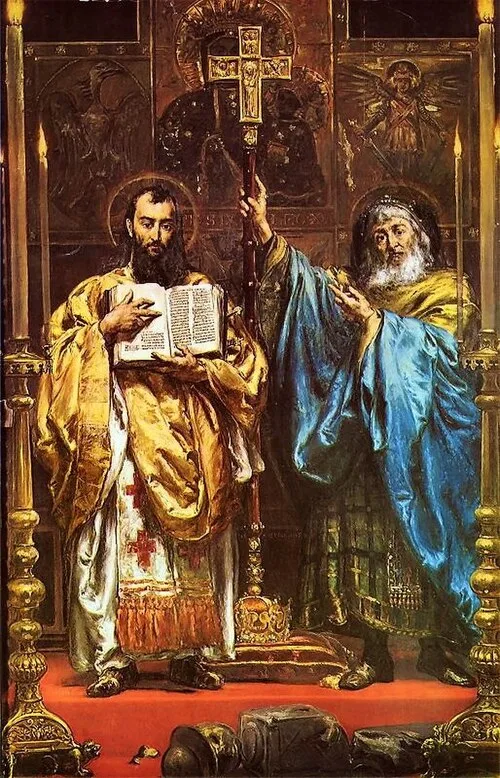

In the 7th century Arab armies took Syria, Egypt and North Africa, and twice besieged Constantinople. Its walls and a secret weapon, Greek fire, saved it. In the 8th and 9th centuries the empire was torn by iconoclasm, a dispute over holy images, which ended with their restoration in 843. Cyril (missionary to the Slavs) and Methodius (missionary to the Slavs), brothers from Thessaloniki, took Christianity to the Slavs, and their followers created the Cyrillic alphabet.
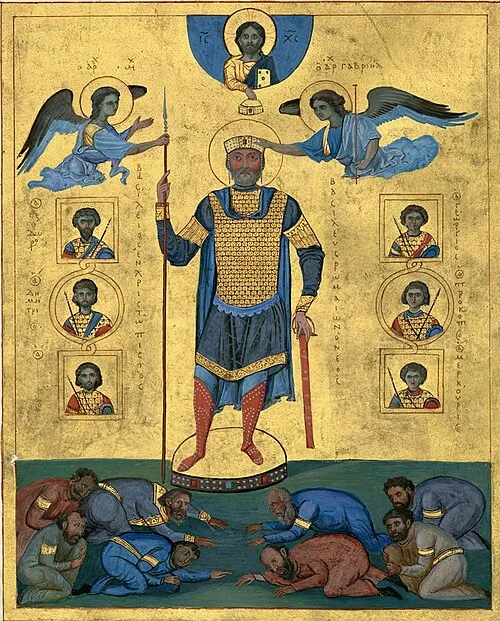

Under Basil II (emperor known as the Bulgar-slayer), who reigned from 976 to 1025, the empire reached its medieval height and conquered Bulgaria. But in 1054 the churches of Rome and Constantinople split, and in 1071 the Seljuk Turks defeated the emperor at Manzikert and overran much of Anatolia. The Crusades brought western armies east, and in 1204 the Fourth Crusade, steered by Venice, captured and sacked Constantinople.