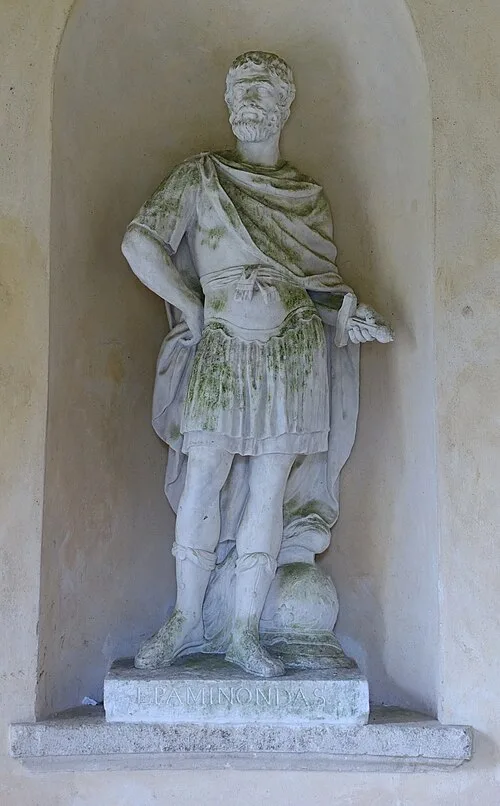

Sparta’s harsh rule after its victory soon made enemies, and in 371 BCE the Thebans, led by Epaminondas (Theban general who broke Sparta), crushed a Spartan army at Leuctra and then freed Messenia from Spartan rule. Athens rebuilt its walls and its fleet, and its democracy, restored in 403 BCE, lasted for most of the century.
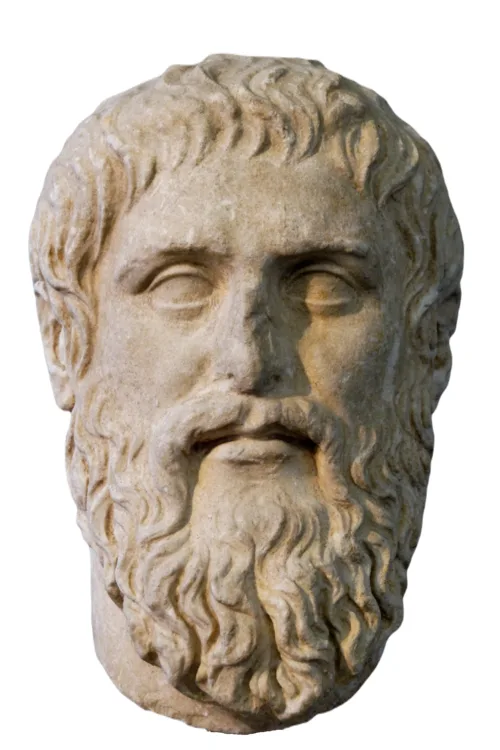

Athens remained the centre of thought. Plato (philosopher, founder of the Academy), a pupil of Socrates (Athenian philosopher), founded his Academy around 387 BCE, and his own pupil Aristotle (philosopher and tutor of Alexander), from Stagira in the north, founded another school, the Lyceum, in 335 BCE. Between them they shaped Western philosophy and science for some two thousand years.
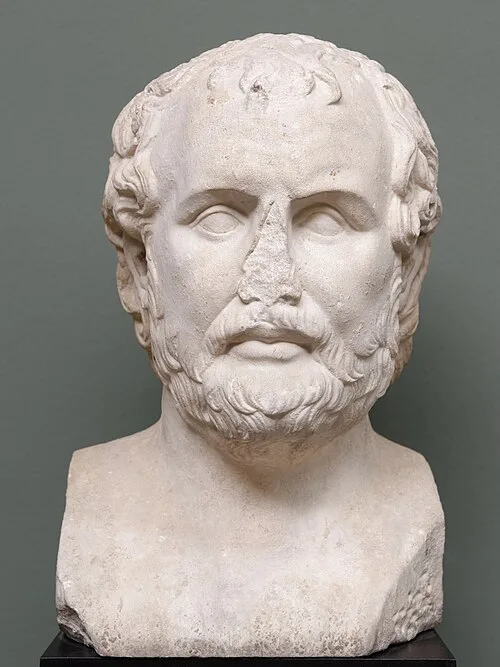

Philip II (king who made Macedon great) became king of Macedon in 359 BCE. He built a new army around a phalanx of men armed with the sarissa, a pike five metres long or more, took gold mines in Thrace, and won over or defeated the Greek cities one by one, despite the speeches of the Athenian orator Demosthenes (Athenian orator against Philip) against him. At Chaeronea in 338 BCE he beat Athens and Thebes. In 336 he was murdered, and his son Alexander (conqueror of the Persian Empire), aged 20, became king.
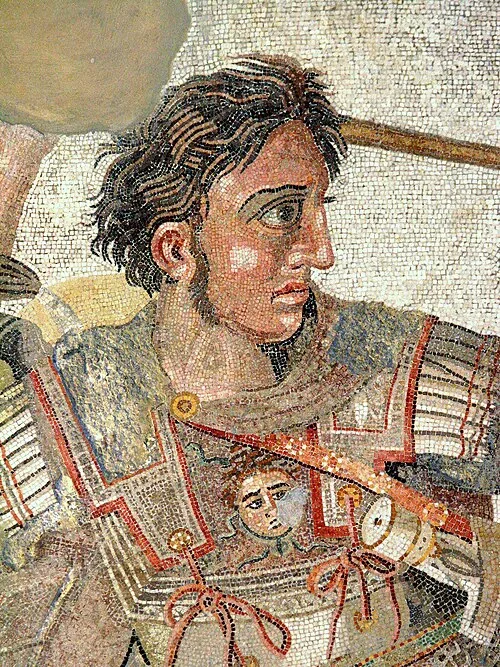

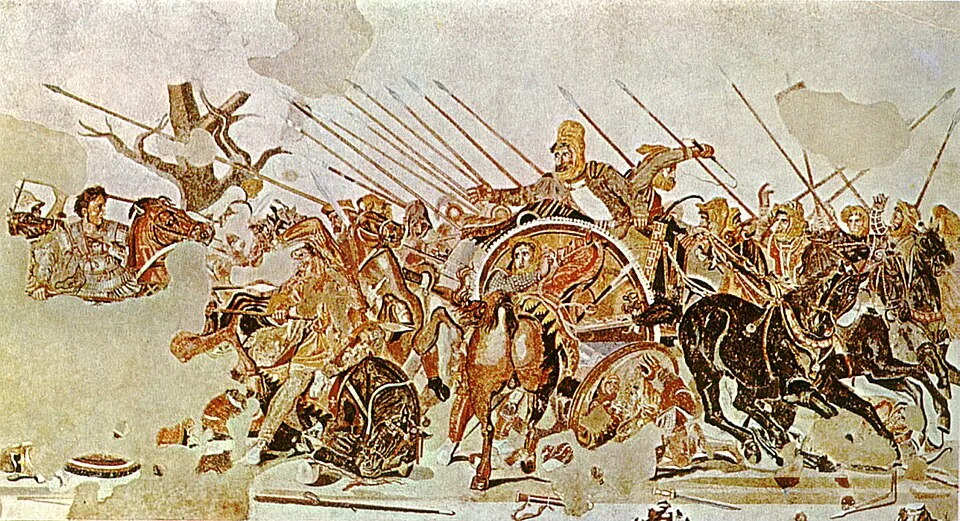
In 334 BCE Alexander (conqueror of the Persian Empire) crossed into Asia. He beat the Persians at the Granicus, at Issus in 333 and at Gaugamela in 331, took Egypt, where he founded Alexandria, and seized the Persian capitals. He went on through Bactria to the Indus valley, until his exhausted army refused to go further. He died at Babylon in June 323 BCE, aged 32, perhaps of a fever, and left no clear heir.