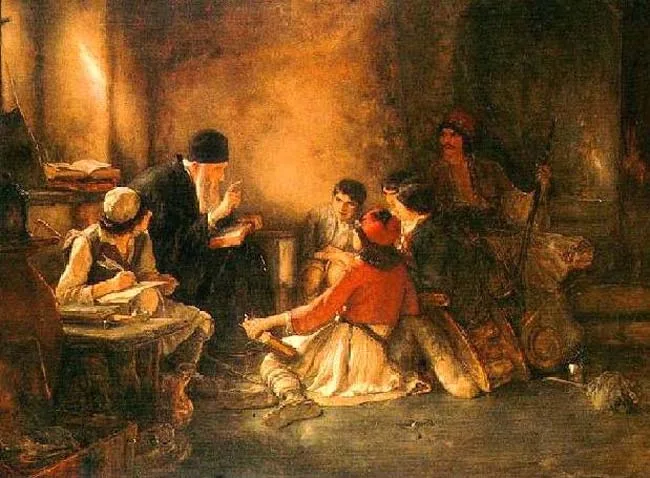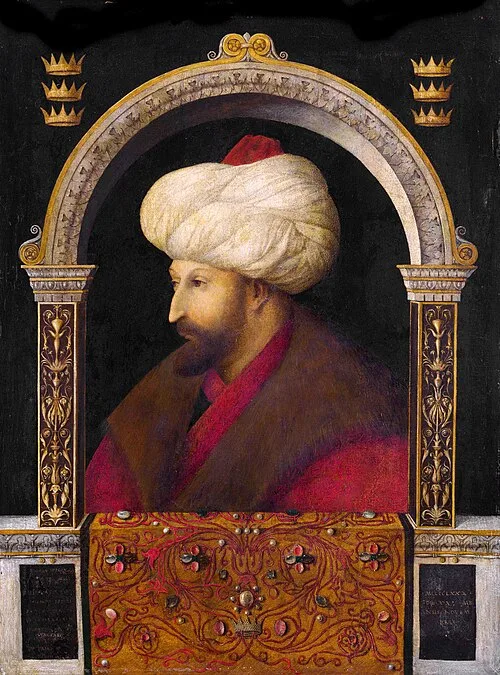

The Ottomans ruled their Christian subjects as a separate community under their own religious leaders. Mehmed II (Ottoman sultan who took Constantinople) made the scholar Gennadios Scholarios (first Ottoman-era Patriarch) Patriarch of Constantinople in 1454, and the patriarchate became responsible for all Orthodox subjects. Christians kept their faith but paid extra taxes and could not bear arms, and in some periods their boys were taken by the devshirme.
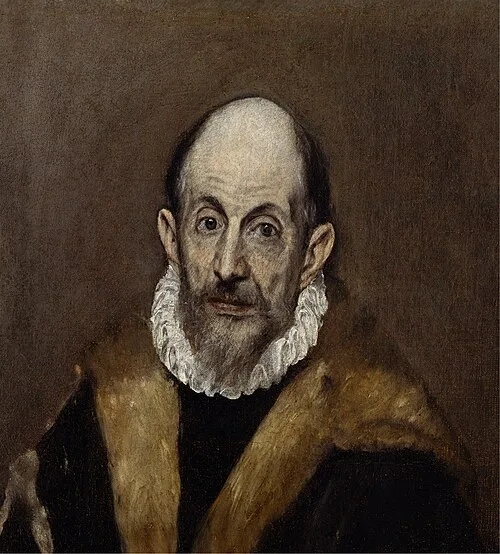

Venice kept parts of Greece for longer: Crete until 1669, after a siege of Candia, today’s Heraklion, that lasted 21 years, and the Ionian Islands until 1797. There Greek and Italian culture mixed; the painter Domenikos Theotokopoulos (painter from Crete), El Greco, trained in Crete before working in Venice, Rome and Spain. In 1687, during a Venetian siege of the Acropolis, a shell hit the Parthenon, which the Ottomans were using to store gunpowder, and blew out its middle.
In the mountains, bands of klephts, brigands later remembered as freedom fighters, lived outside Ottoman control, while armatoloi were Christian militias paid to keep order. Greek families of the Phanar district of Constantinople, the Phanariots, served as the sultan’s interpreters and, from the early 18th century, ruled the Danube principalities of Wallachia and Moldavia for him.
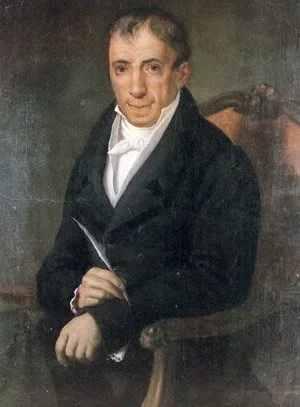

In the 18th century Greek merchants and shipowners prospered around the Mediterranean and the Black Sea, and paid for schools and books. Scholars such as Adamantios Korais (scholar of the Greek Enlightenment) spread the ideas of the Enlightenment and the French Revolution. Rigas Feraios (revolutionary writer) wrote a call for a revolution across the Balkans and was executed by the Ottomans in 1798. In 1814 three Greek merchants in Odessa founded the Filiki Eteria, the “Friendly Society”, to prepare an uprising.