Step 3: Nara, 710 – 794
Emperor Shōmu
Emperor of the Great Buddha
701–756One of the 20 key names
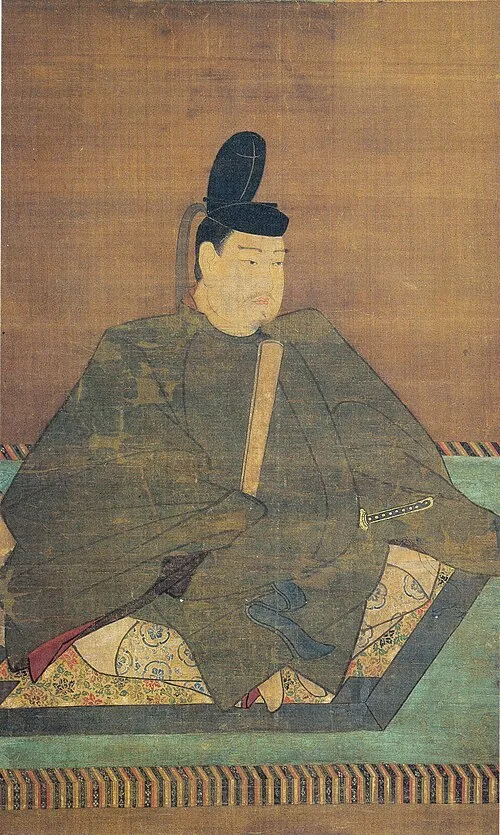

EmperortitleShōmuname given after deaththe name to use
Sponsored provincial temples and the Great Buddha during years of epidemic and rebellion, then abdicated in 749 to devote himself to Buddhism.
Memory hook
Shō- (聖) means “holy” here too, as in Shōtoku: both are remembered as champions of Buddhism. Picture Shōmu bowing before his 15-metre bronze Buddha.
Family
Family line
Shōmu’s family: emperor, empress and their daughter
Easy to mix up with
- Prince Shōtoku (Buddhist prince-regent, Kofun–Asuka)
- Empress Shōtoku (Shōmu’s daughter, Nara)
- Emperor Shōwa (Hirohito) (emperor of the war years, Taishō–Shōwa)
Already in your name cards. New