Greek history in steps

Step 4: Alexander, 404–323 BCE

Aristotle

Philosopher and tutor of Alexander

384–322 BCEOne of the 22 key names
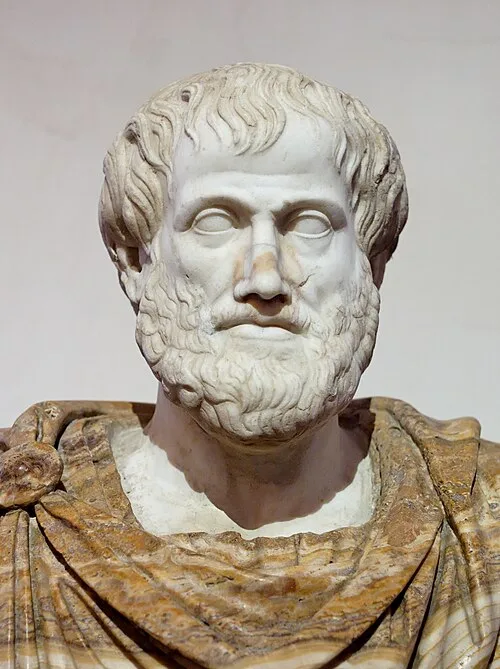
Aristotle
Marble bust, a Roman copy of a bronze by Lysippos of about 330 BCE; the alabaster mantle is modern. Palazzo Altemps, Rome. Public domain, via Wikimedia Commons
Aristotlehis name, in its English formthe name to use

Philosopher from Stagira, a pupil of Plato and tutor of Alexander the Great, who founded the Lyceum in Athens in 335 BCE. He wrote on logic, ethics, politics, poetry, physics and biology.

Memory hook

Aristotelēs joins aristos, “best”, and telos, “end” or “purpose”: “the best purpose”. It suits a thinker who asked of everything what it is for. Picture him dissecting a fish to find its purpose.

Family line

Teacher to pupil, four generations

Socrates Plato Aristotle Alexander

Already in your name cards. New

In the story

Step 4: Philip and Alexander

  • After Athens fell, Sparta and then Thebes led Greece for a few decades, while Athens remained the home of Plato and Aristotle.
  • Plato, a pupil of Socrates, founded his Academy around 387 BCE, and his own pupil Aristotle, from Stagira in the north, founded another school, the Lyceum, in 335 BCE.